When Vithush and Shannon began their married life, we wanted their celebrations to reflect not only who they are as individuals, but also the faith, families and cultures that have shaped them.
Both Vithush and Shannon have grown up in Australia, and their Australian upbringing forms an important part of who they are, their shared home, their outlook on life, and the place where they are now building their future together. At the same time, they remain deeply connected to the cultural roots passed down through their families.
Vithush carries his Tamil heritage, while Shannon carries her Malaysian Chinese heritage. Growing up in multicultural Australia has allowed them to embrace these ancestral traditions while also sharing a common Australian identity.
Their marriage therefore brings together more than two people. It brings together Tamil, Malaysian Chinese and Australian influences, each adding something beautiful to the family they are now creating.
And at the heart of it all is their Catholic faith; the foundation of their marriage, drawing their different stories together and accompanying them as they begin this new chapter as husband and wife.
Their wedding celebrations became a beautiful expression of this story: rooted in faith, connected to their cultural heritage, and shaped by the Australian home in which their shared future continues to unfold.
The Thaali and Maalai: Tamil Heritage in Penang
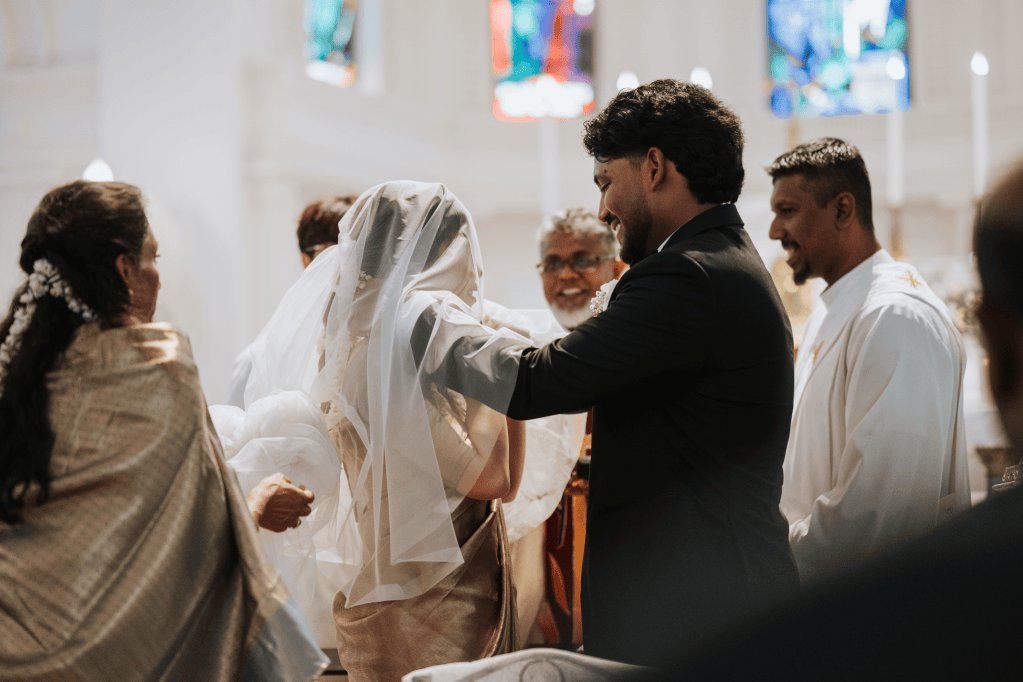
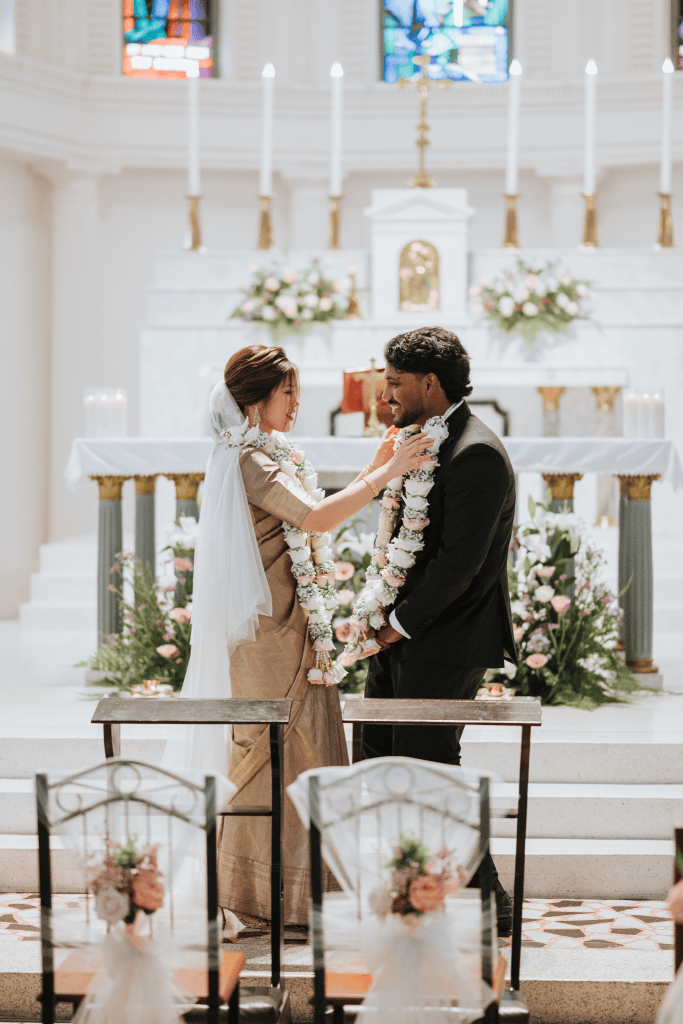
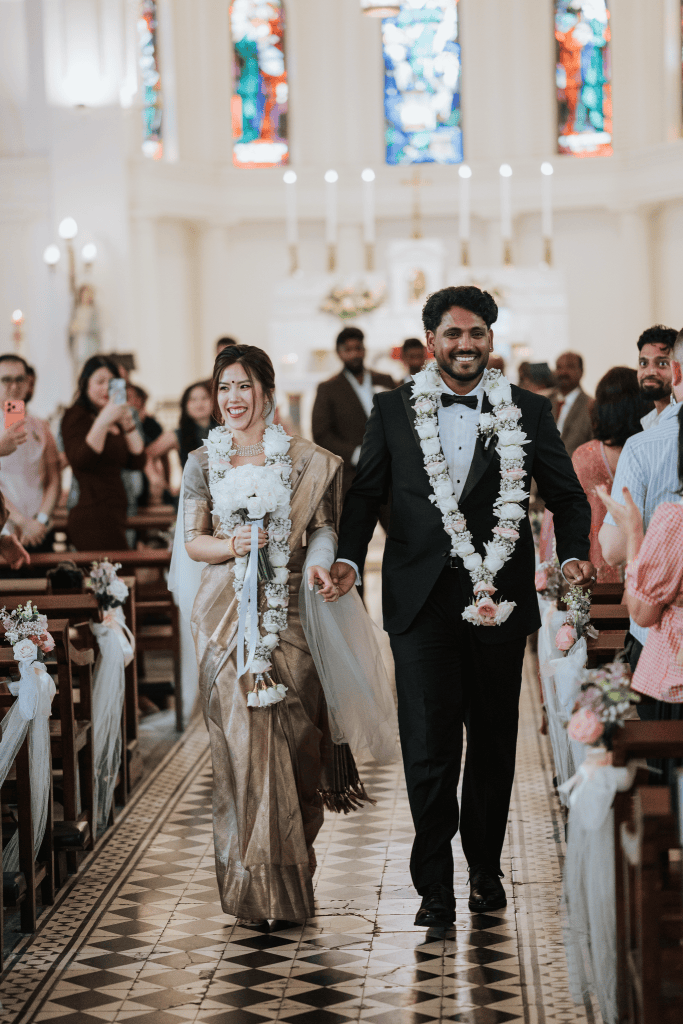
At the heart of the Penang wedding was the Sacrament of Matrimony and the covenant Vithush and Shannon made before God. Alongside the Catholic celebration, meaningful elements of Vithush’s Tamil heritage were gently incorporated.
Vithush placed the traditional Thaali (தாலி) around Shannon’s neck. For us, the Thaali was more than an ornament or cultural symbol. Its design was intentionally connected with their Christian faith, reminding them of the Father, Son and Holy Spirit, and of our prayer that God will always remain at the centre of their marriage.
The couple also exchanged fresh flower garlands, Maalai (மாலை). This beautiful Tamil tradition expresses mutual acceptance, honour and the joyful joining of two lives and two families.
These meaningful moments in Penang created a cultural bridge to what was to follow in Chennai.
Beginning with God:Thanksgiving Mass (நன்றித் திருப்பலி)
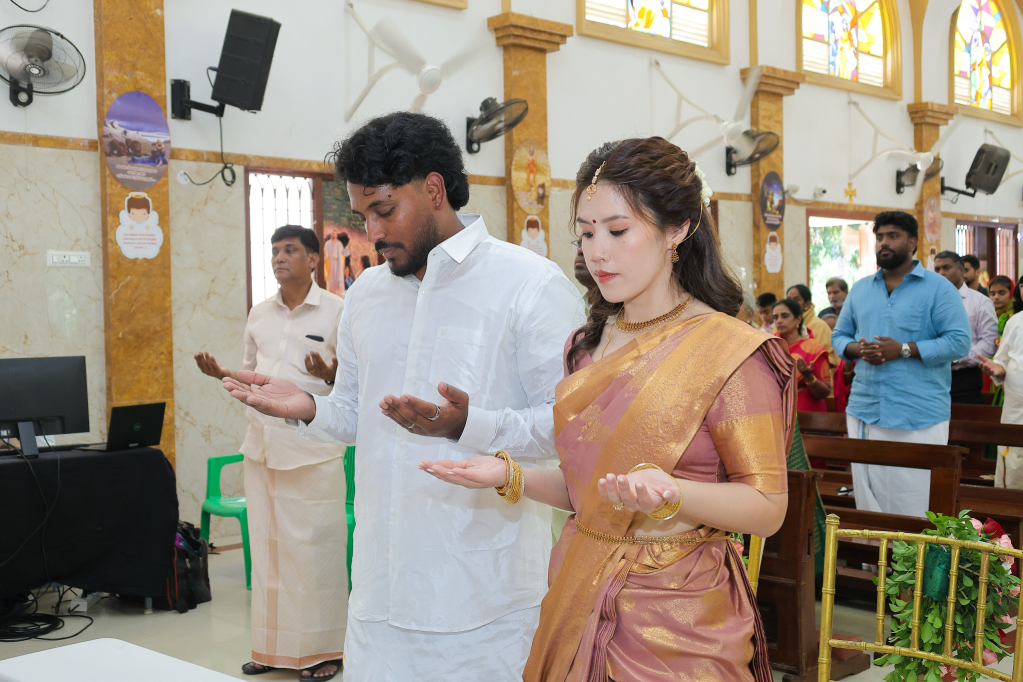
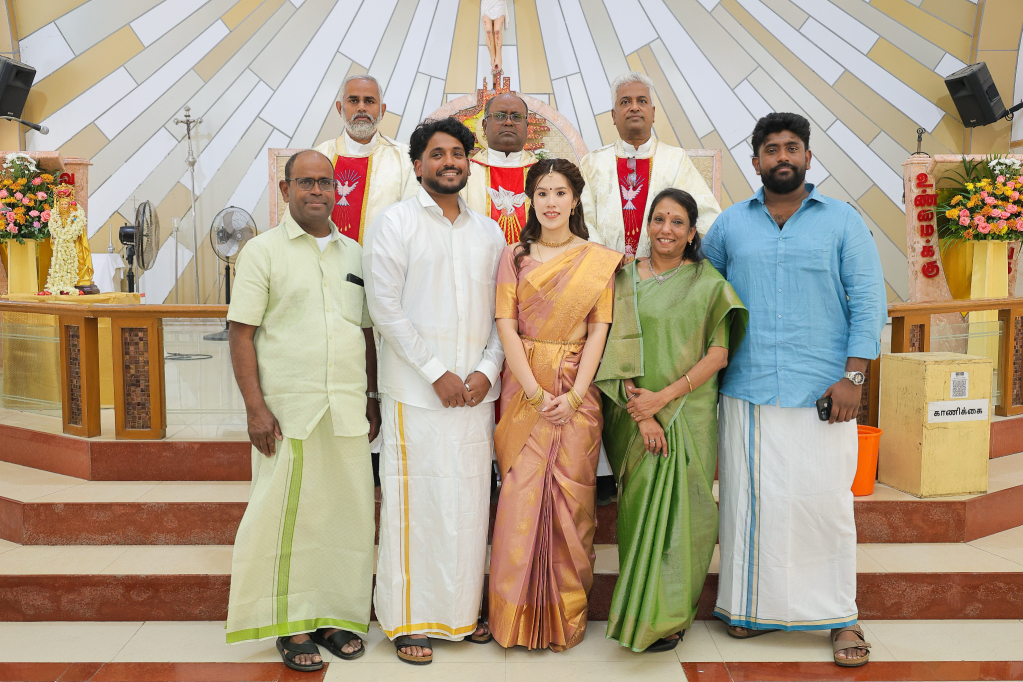
Our Chennai gathering did not begin with entertainment, food or dancing.
It began with God.
The family gathered first for a Tamil Catholic Thanksgiving Mass (நன்றித் திருப்பலி), giving thanks to God for bringing Vithush and Shannon together and for the Sacrament of Marriage they had received in Penang.
Through Scripture, prayer and thanksgiving in Tamil, we entrusted their new life together to God and prayed that Christ would always remain at the centre of their home and marriage.
Before celebrating where we came from culturally, we wanted to acknowledge the One who continues to lead us forward.
And as the Mass concluded and we stepped out of the church, Tamil culture came alive.
From Church to Hall: A Tamil Welcome
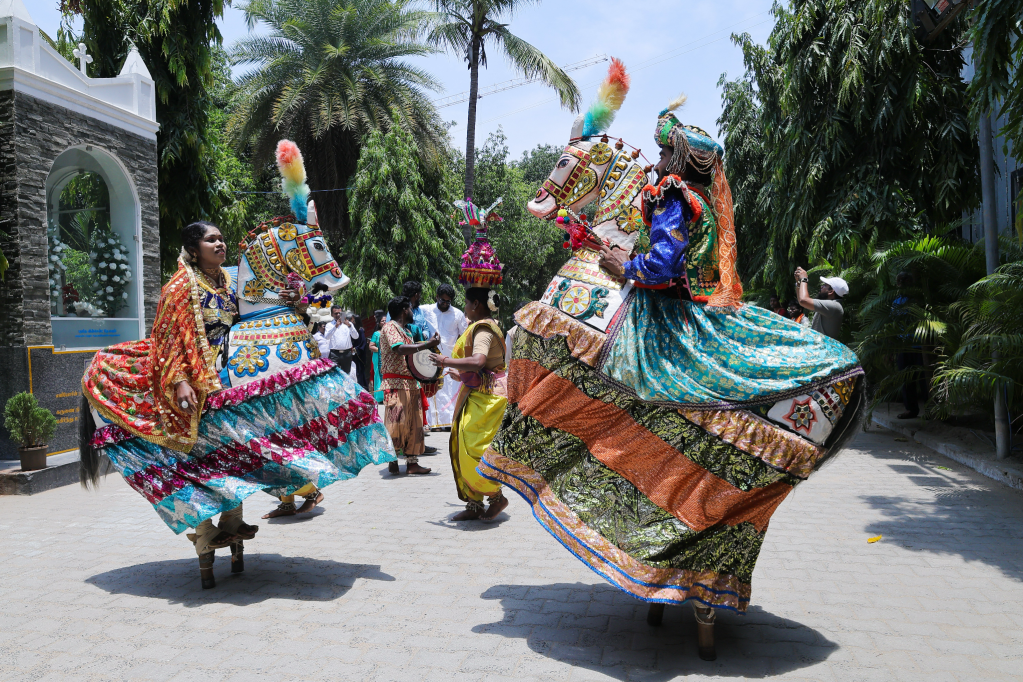
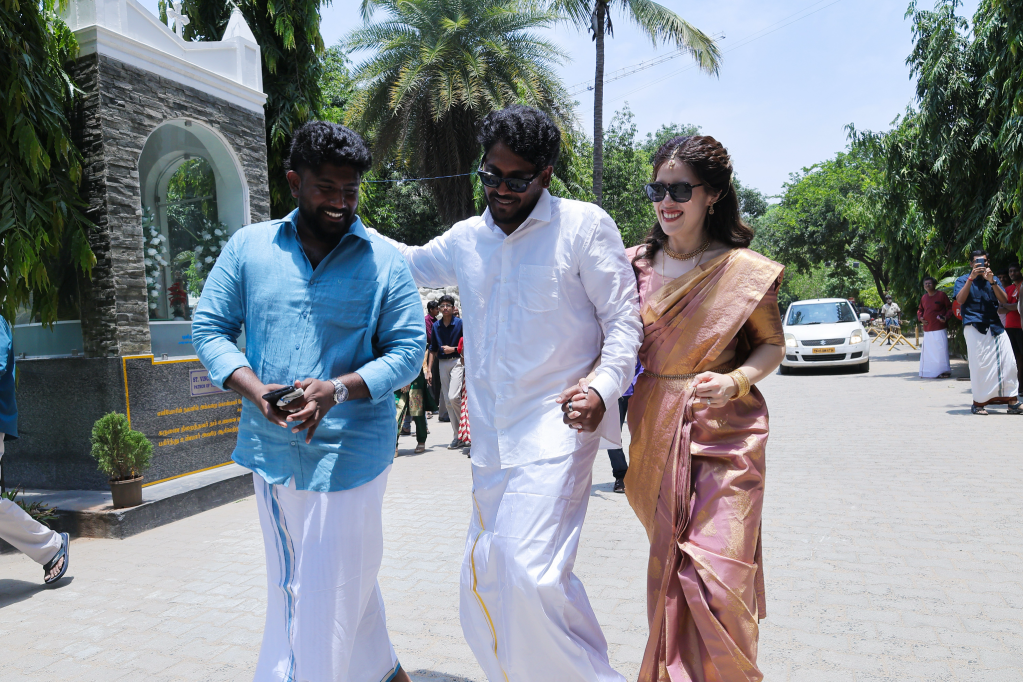
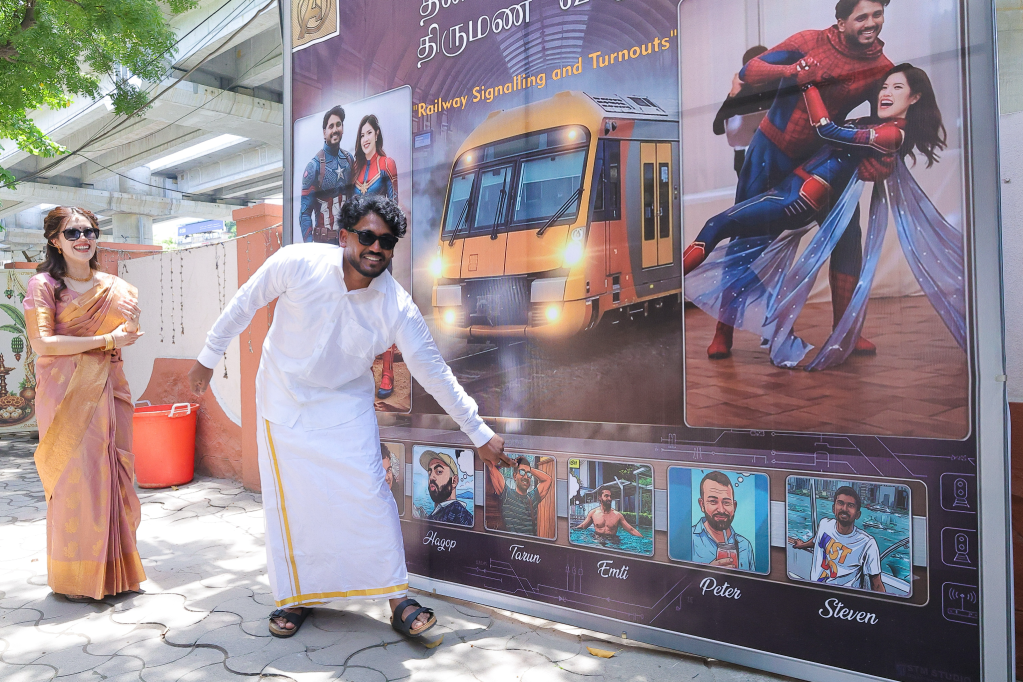
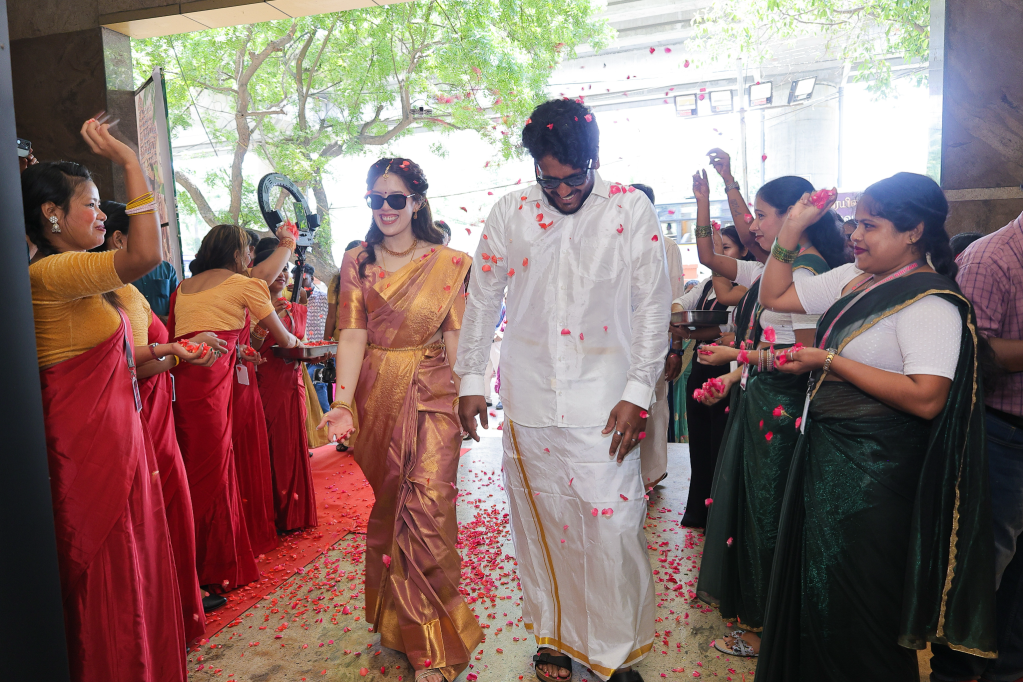
Even Vithush and Shannon’s journey from the church to the reception hall became part of the cultural celebration.
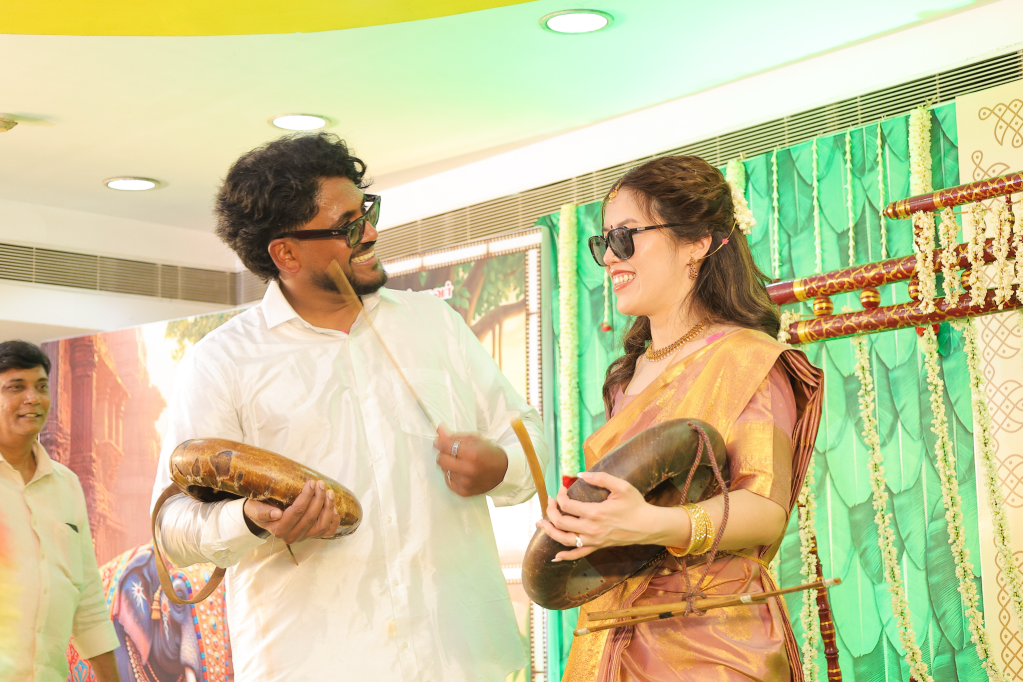
They were accompanied by the unmistakable sounds of Nadaswaram (நாதஸ்வரம்) and Thavil (தவில்) and surrounded by the colour, movement and energy of traditional Tamil folk arts, including Oyilattam (ஒயிலாட்டம்), Karagattam (கரகாட்டம்), Sattaikuchi Aattam (சாட்டைக்குச்சி ஆட்டம்) and Poikkal Kuthirai Aattam (பொய்க்கால் குதிரை ஆட்டம்). And the couple were not merely spectators.
Vithush and Shannon joined in and danced to the traditional rhythms themselves!
It was spontaneous, colourful and full of joy. For Shannon, it was an opportunity to experience another dimension of Vithush’s heritage. For Vithush, it was a joyful celebration of the culture he had inherited.
For all of us watching, it was a moment when Tamil culture was not simply being displayed; it was being lived and enjoyed together.
The journey from church to hall beautifully captured the spirit of the day. Faith first… followed by family, culture and joyful fellowship.
Kuthuvilakku: Lighting the Way
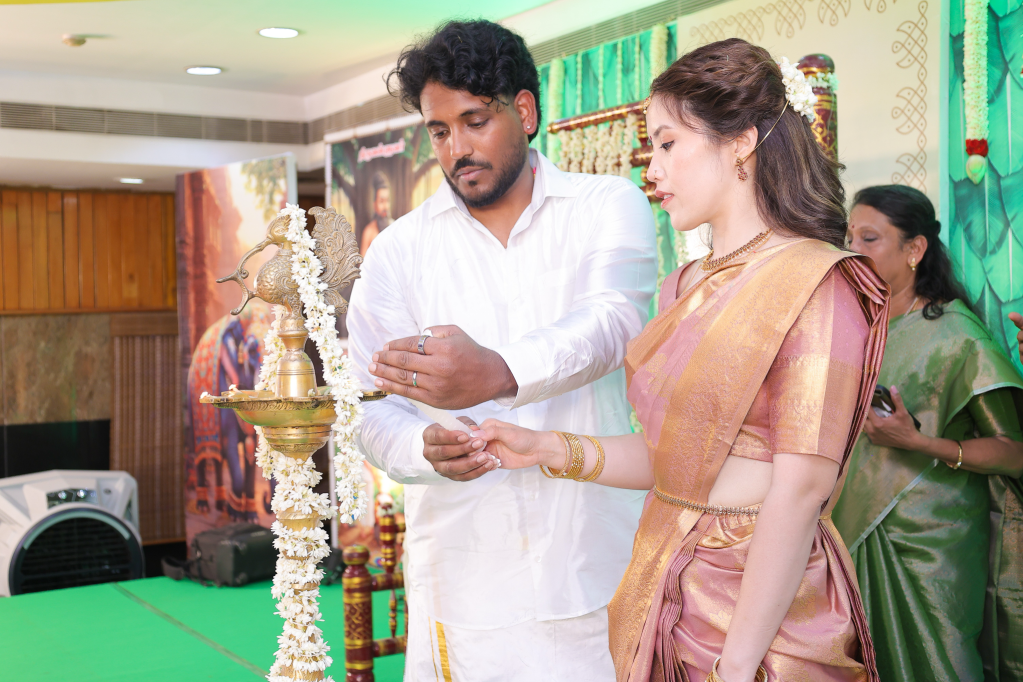
The traditional lamp, Kuthuvilakku (குத்துவிளக்கு), was lit as a symbol of light, wisdom, hope and a new beginning.
For us as a Catholic family, its cultural symbolism also pointed towards God, the source of all light. It became a simple prayer that God’s light would continue to illuminate the path Vithush and Shannon now walk together.
Metti: Tradition, Meaning and Science
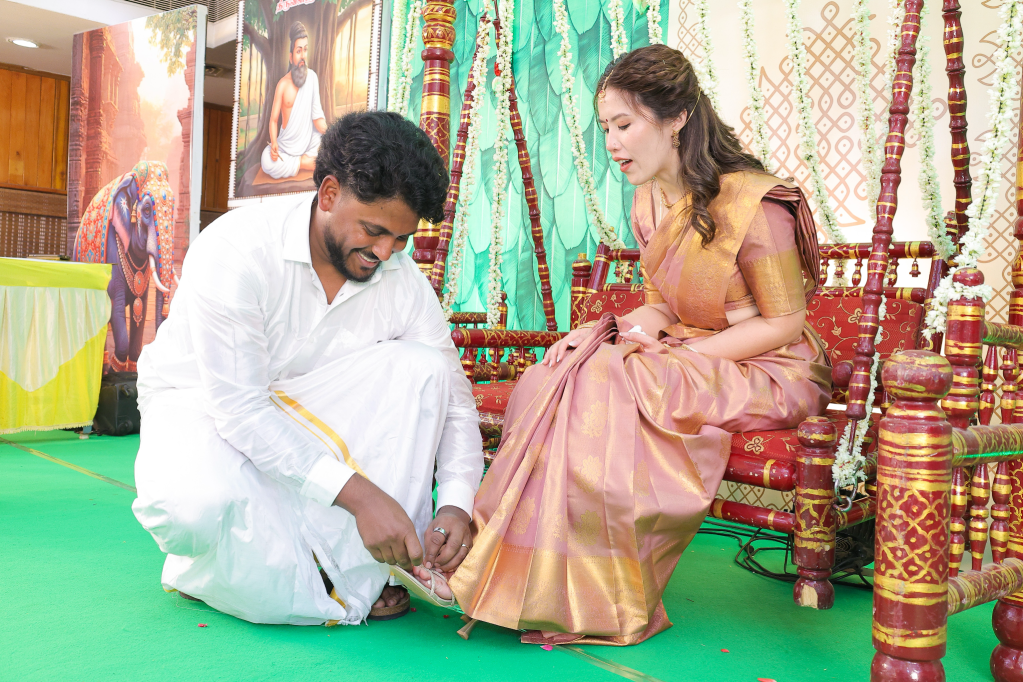
The traditional Tamil toe ring, Metti (மெட்டி), introduced Shannon to another aspect of Vithush’s Tamil heritage.
We did not want simply to present the tradition without explaining its meaning. Alongside its place in Tamil married life, we also shared the traditional scientific explanation associated with the Metti, including beliefs concerning pressure points and nerves connected with the second toe and their relationship to wellbeing.
It gave us an opportunity not only to practise a tradition, but also to explore the thinking and beliefs that have accompanied it through generations.
Dressed in Tamil Tradition
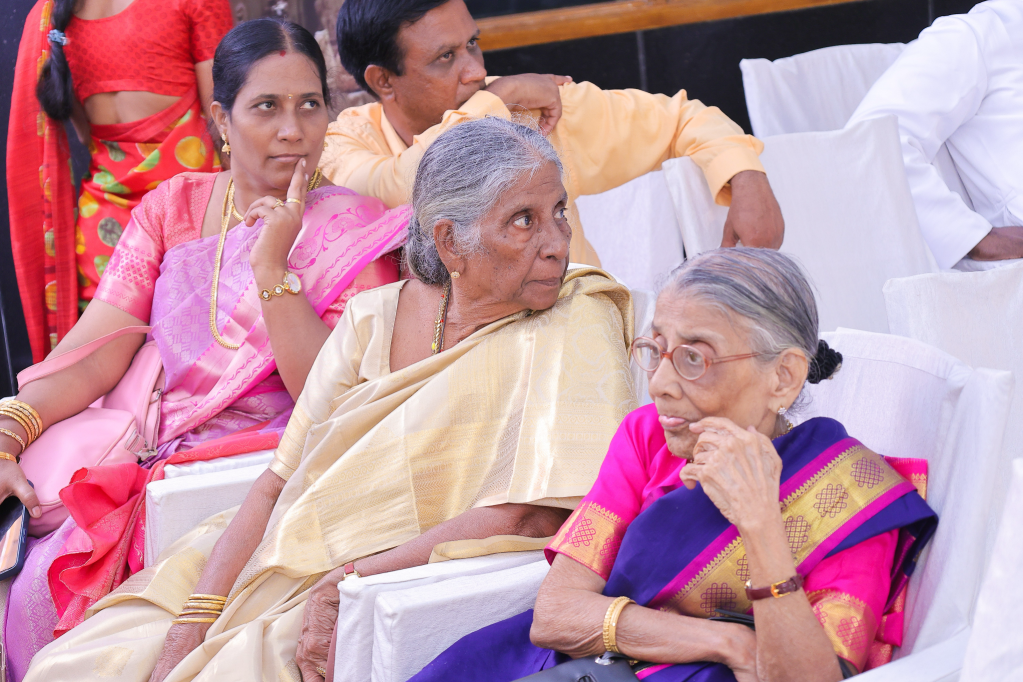
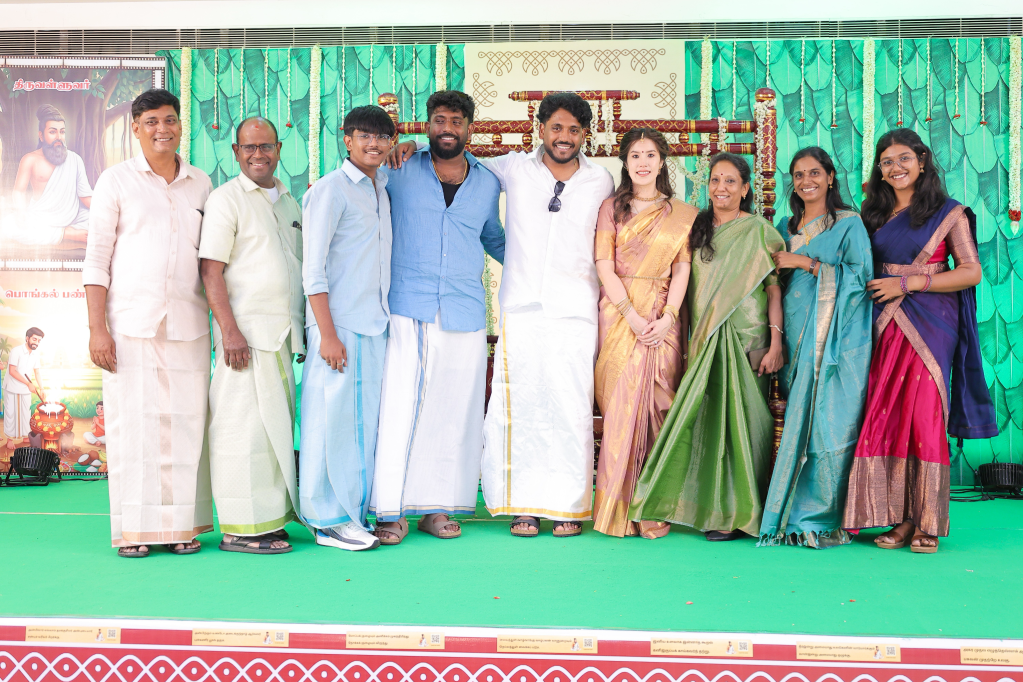
Tamil culture was not only performed around us. We wore it.
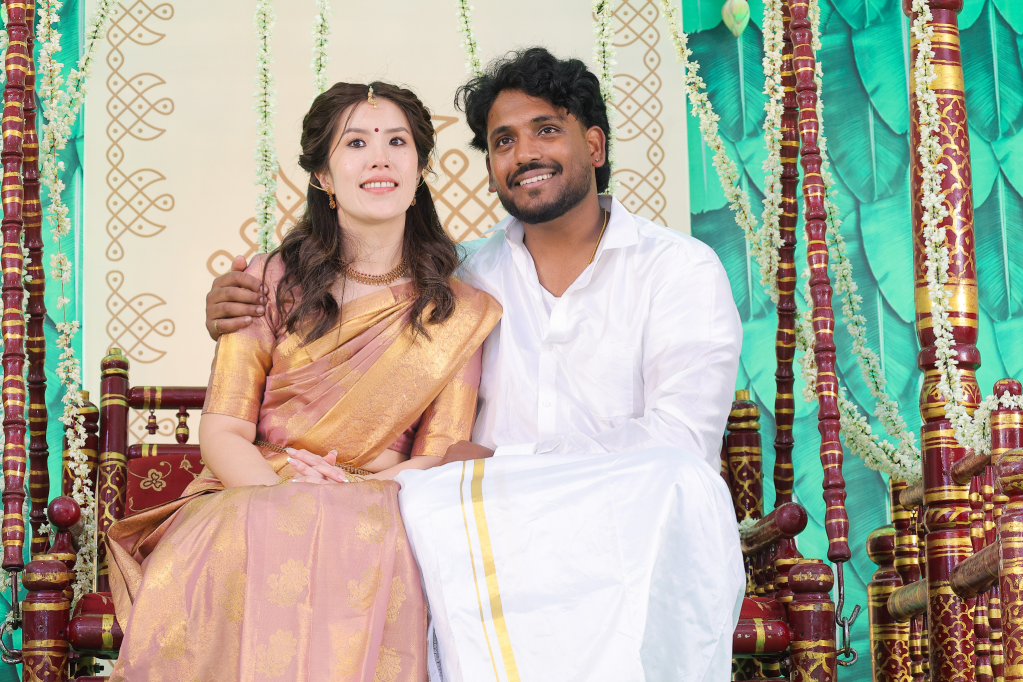
Vithush and the other men dressed in traditional Veshti and Sattai (வேட்டி சட்டை), while Shannon and the women wore beautiful silk sarees, Pattu Pudavai (பட்டுப் புடவை).
Seeing Shannon dressed in a Pattu Pudavai was particularly meaningful.
It was not about asking her to become Tamil or diminishing the Malaysian Chinese heritage she brings into our family. Rather, it was a beautiful gesture of embracing and celebrating the heritage of the family she had married into.
With the men in Veshti Sattai and the women in colourful Pattu Pudavai, Tamil culture was no longer something simply displayed on a stage.
It was being worn, shared and experienced.
No Wedding Cake: Traditional Sweets Instead
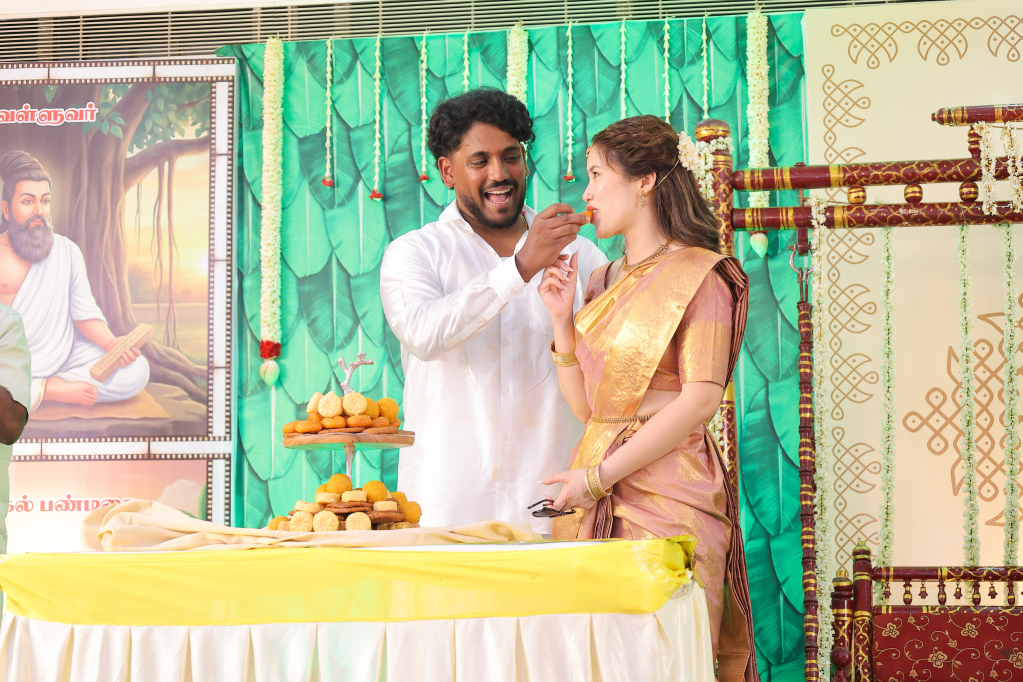
Even the familiar wedding cake was given a Tamil expression.
We chose not to have a conventional wedding cake. Instead, Laddu (லட்டு), Athirasam (அதிரசம்) and other traditional sweets were beautifully arranged and stacked in the form of a two-tier celebration cake.
It retained the joy of the traditional cake moment while replacing it with flavours connected to Tamil homes, festivals and family celebrations.
The message was simple:
May their married life always be filled with sweetness.
Thirukkural: Wisdom Across Generations
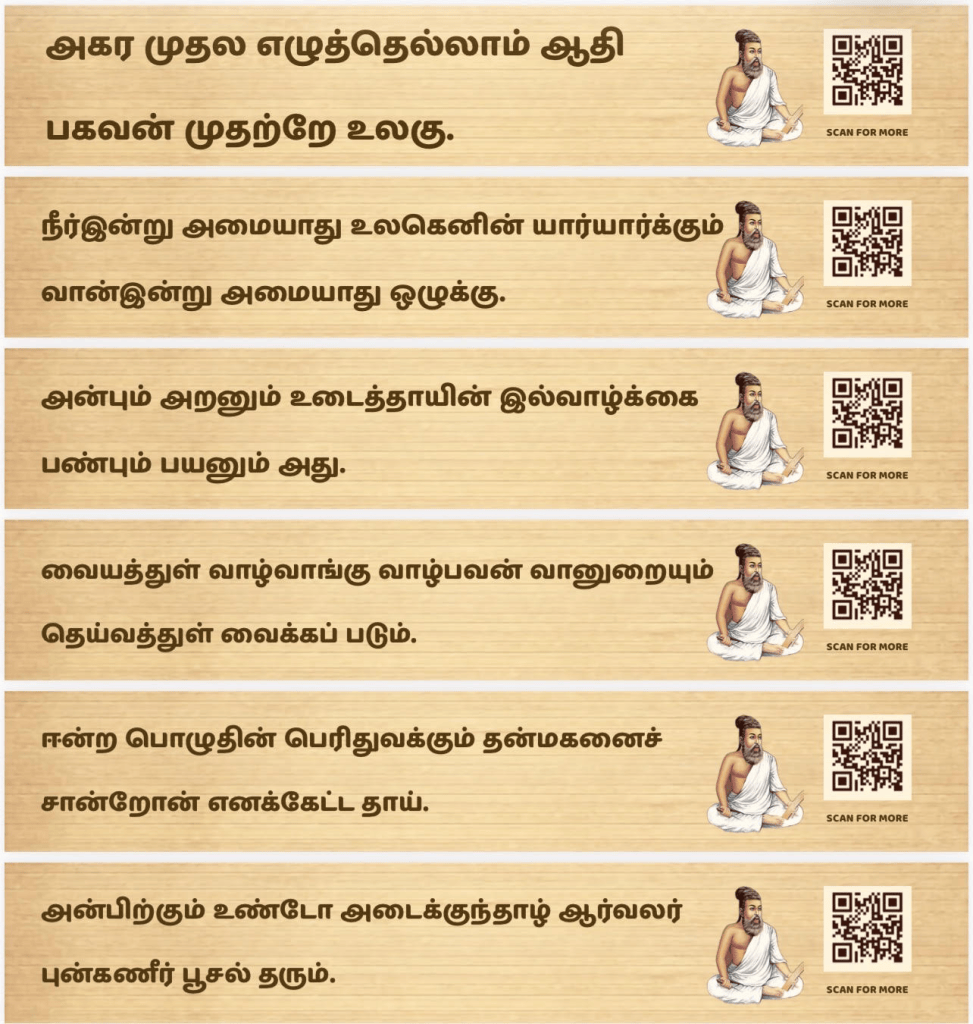
Tamil heritage is much more than dress, dance and food. It also carries an extraordinary literary and ethical tradition.
That is why Thiruvalluvar (திருவள்ளுவர்) and the Thirukkural (திருக்குறள்) occupied a special place in our gathering.
Our guests were introduced to the timeless wisdom of the Thirukkural and its reflections on Aram (அறம்), Porul (பொருள்) and Inbam (இன்பம்).
A special Thirukkural Neram (திருக்குறள் நேரம்) gave this ancient Tamil wisdom a place of honour within a contemporary family celebration.
We wanted the younger generation in particular to recognise that heritage is not simply about preserving external customs. It is also about carrying forward wisdom, values and ways of living.
Tamil Arts Come Alive
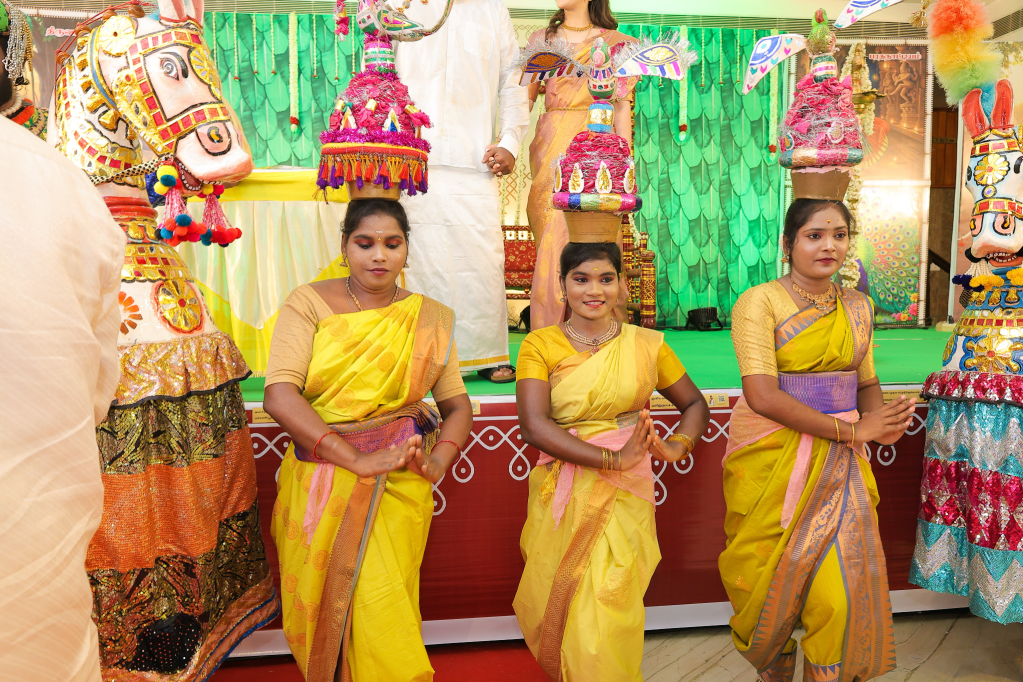
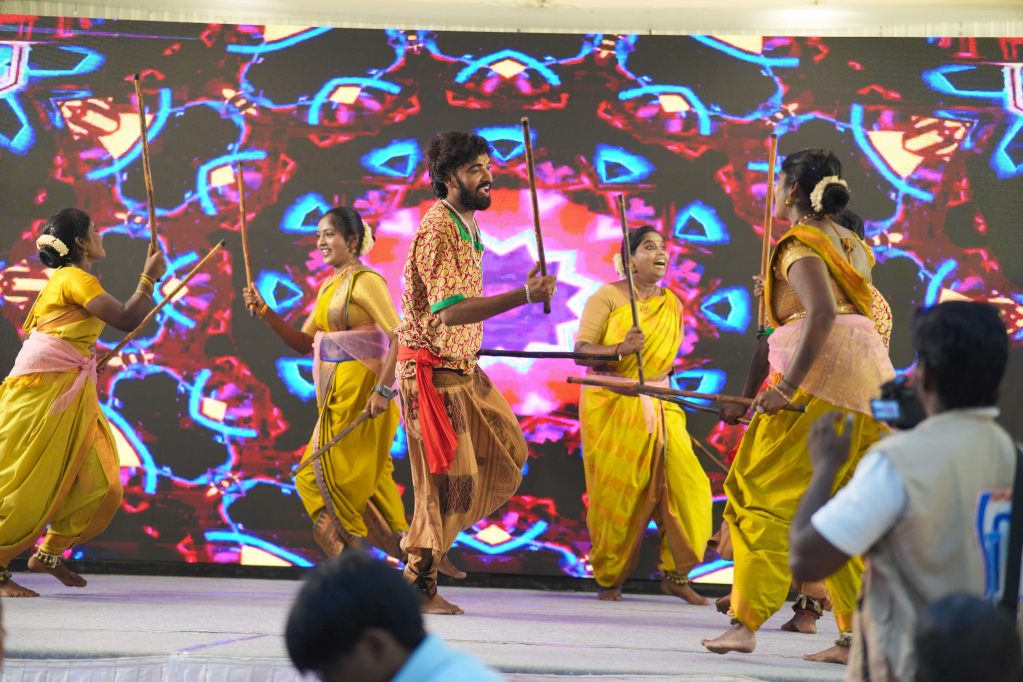
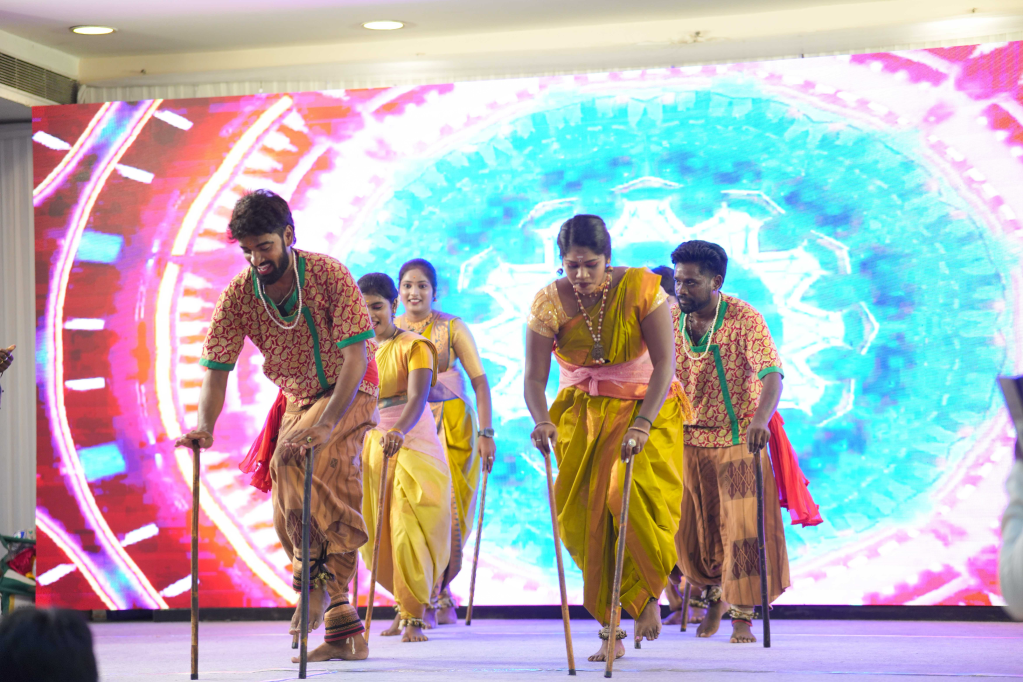
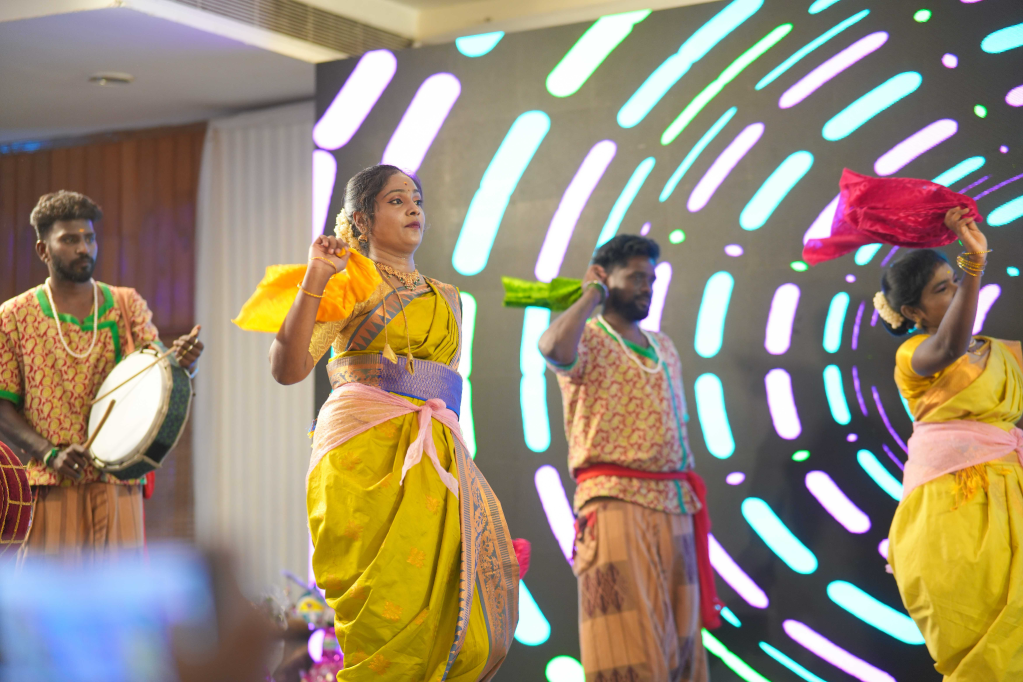
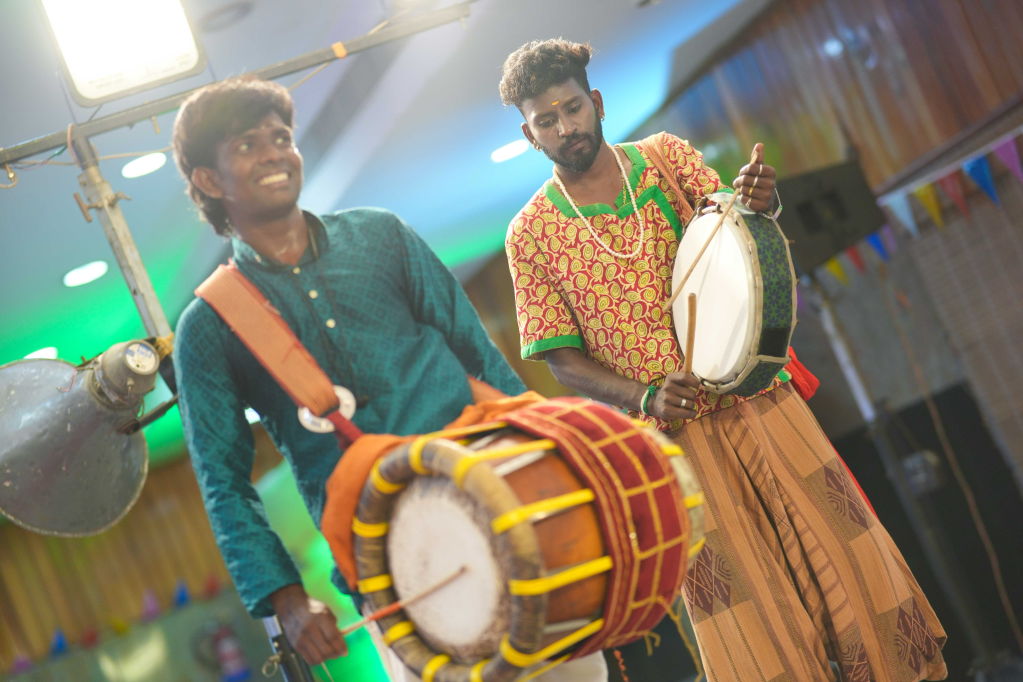
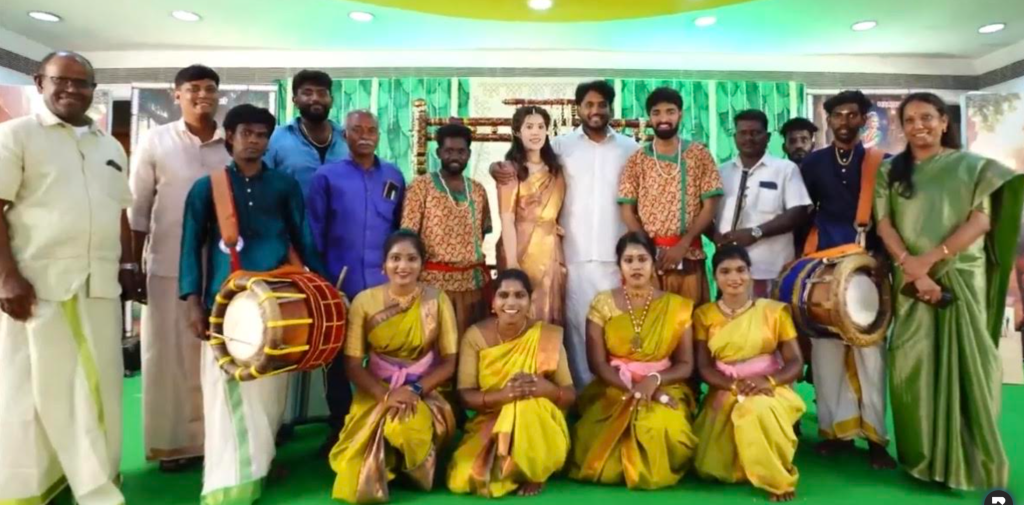
One of the highlights of the gathering was a special team of traditional artists from Thanjavur (தஞ்சாவூர்), led by Moses.
Through them, the celebration came alive with the sounds and movements of Tamil folk culture.
The programme featured Nadaswaram (நாதஸ்வரம்), Thavil (தவில்), Oyilattam (ஒயிலாட்டம்), Karagattam (கரகாட்டம்), Sattaikuchi Aattam (சாட்டைக்குச்சி ஆட்டம்) and Poikkal Kuthirai Aattam (பொய்க்கால் குதிரை ஆட்டம்).
Each art form brought something distinctive; grace, rhythm, balance, colour, humour, energy and community spirit.
They were not simply performances arranged for entertainment. They gave our guests an opportunity to encounter living Tamil folk traditions, carried forward by artists who continue to preserve them.
Tamil Heritage Told Through Images
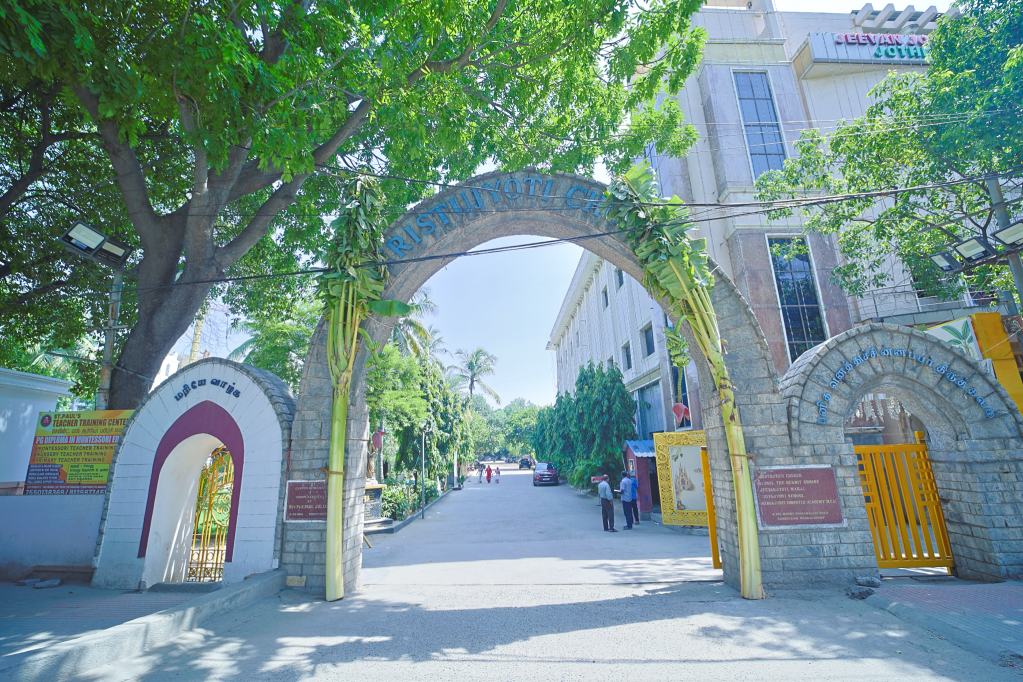
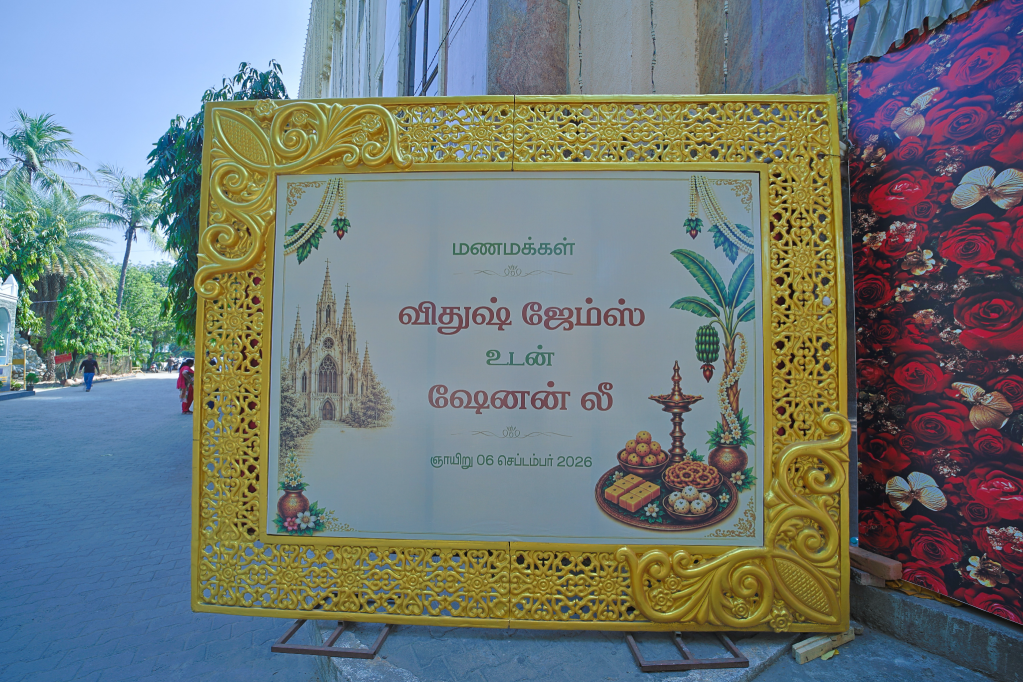
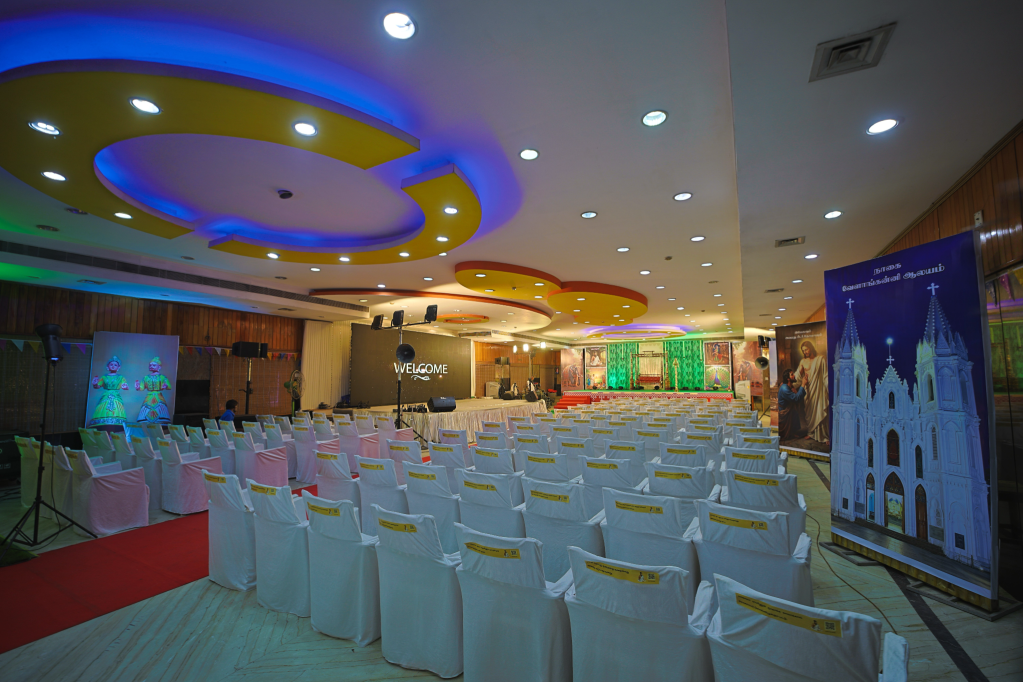
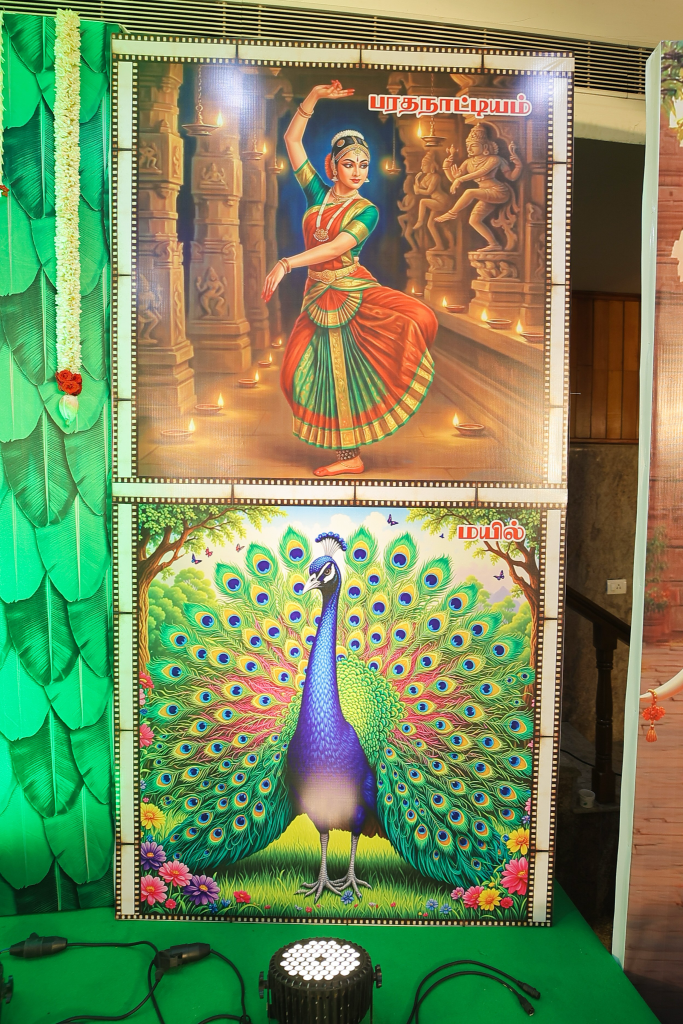
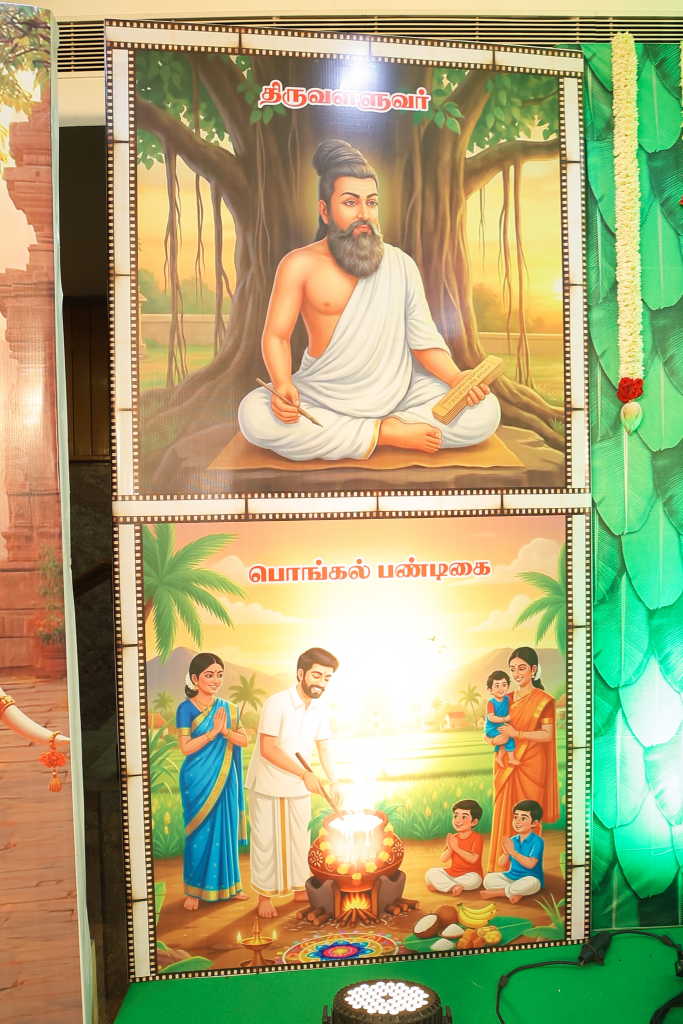
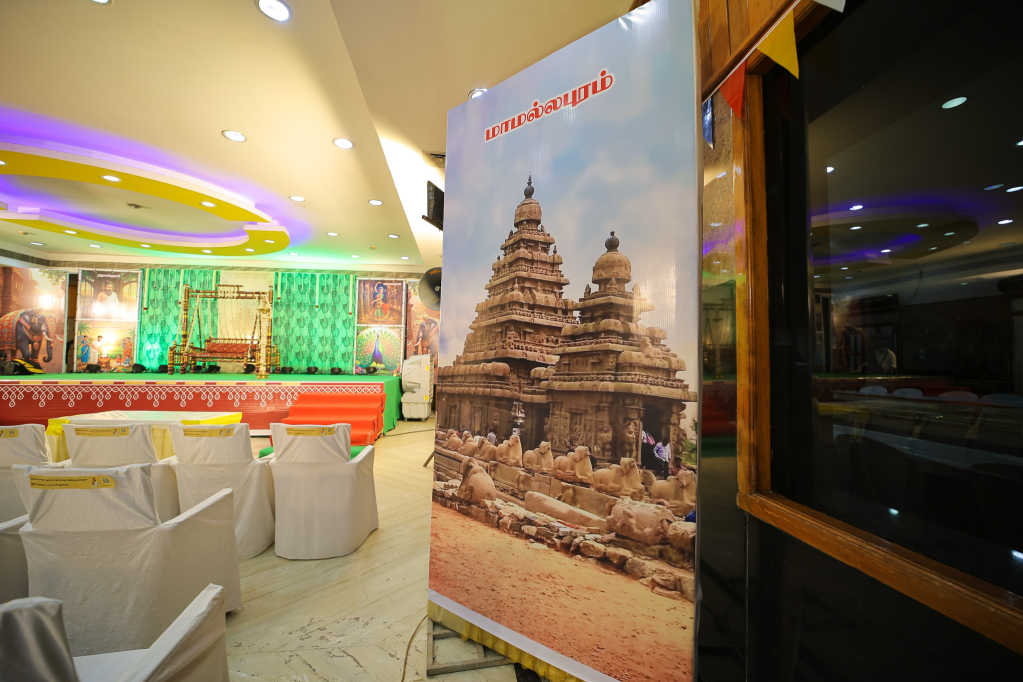
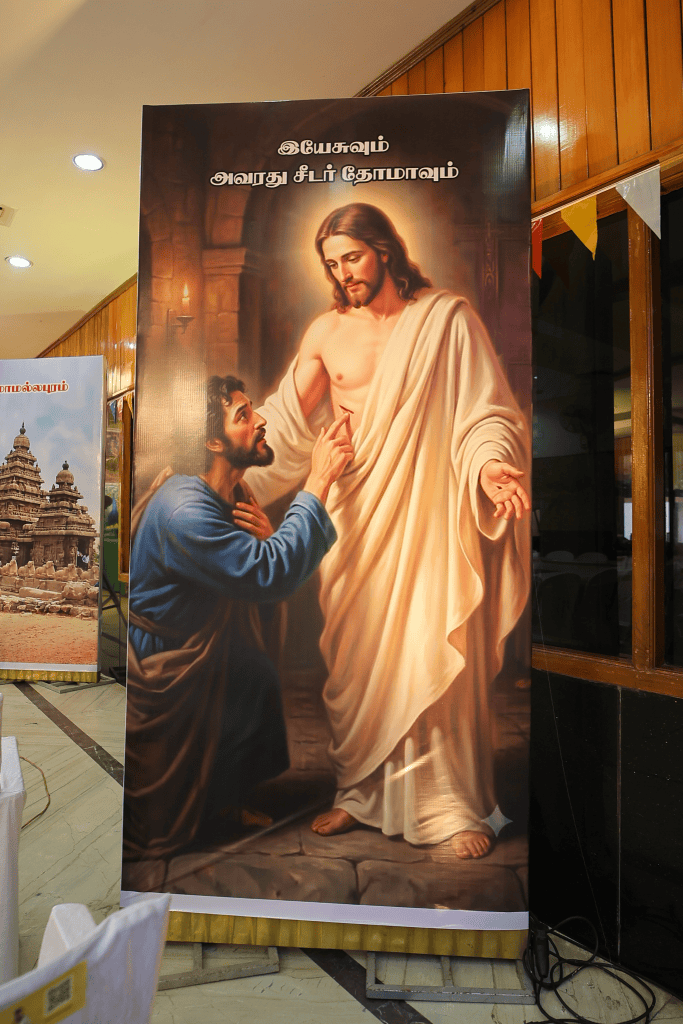
The hall itself became another storyteller.
Banners and displays represented different dimensions of Tamil history, faith, arts and everyday cultural identity.
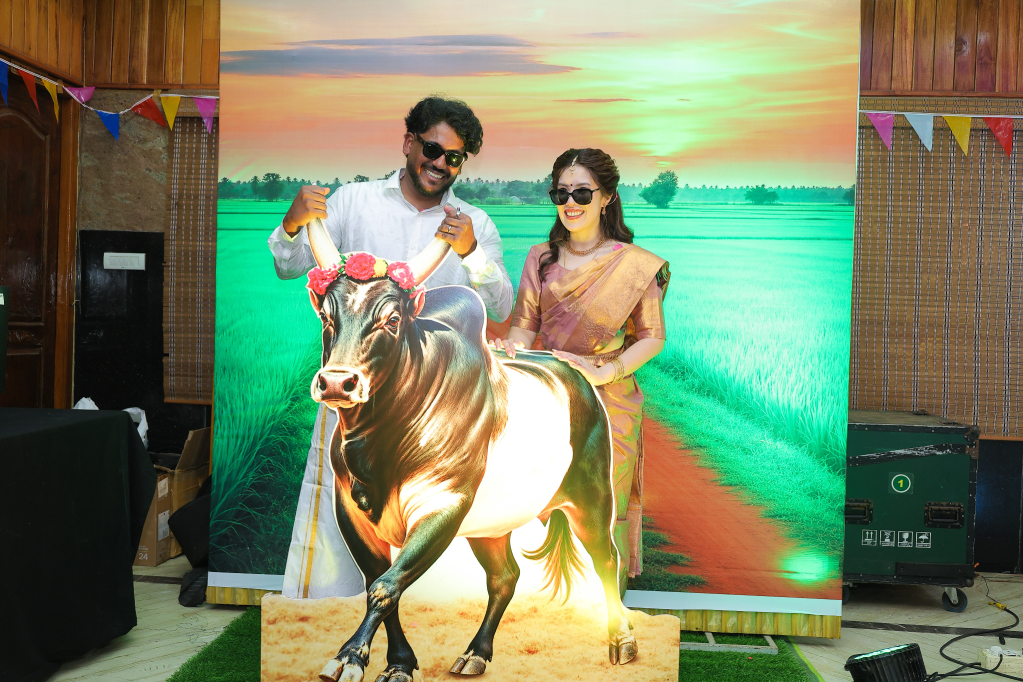
There was Thiruvalluvar (திருவள்ளுவர்) representing Tamil wisdom and literature; the peacock (மயில்) and elephant (யானை) reflecting familiar imagery in Tamil and Indian art; and the powerful Jallikattu bull (ஜல்லிக்கட்டுக் காளை) recalling the courage, rural traditions and agricultural roots of Tamil life.
The architectural heritage of Tamil Nadu was represented through the magnificent Thanjavur Temple (தஞ்சாவூர் கோவில்).
Other displays celebrated Pongal (பொங்கல்), Nadaswaram (நாதஸ்வரம்), Mridangam (மிருதங்கம்), banana trees (வாழை மரம்), Pulli Kolam (புள்ளிக் கோலம்) and Bharatanatyam (பரதநாட்டியம்).
Our Tamil Catholic heritage was represented too, through images of St Thomas the Apostle (புனித தோமையார்) and the beloved Velankanni Shrine (வேளாங்கண்ணி திருத்தலம்).
Together, these images reminded us that Tamil identity cannot be represented by one single symbol. It encompasses language, literature, faith, agriculture, architecture, music, dance, food, family and community.
A Tamil Virundhu on Vaazhai Ilai
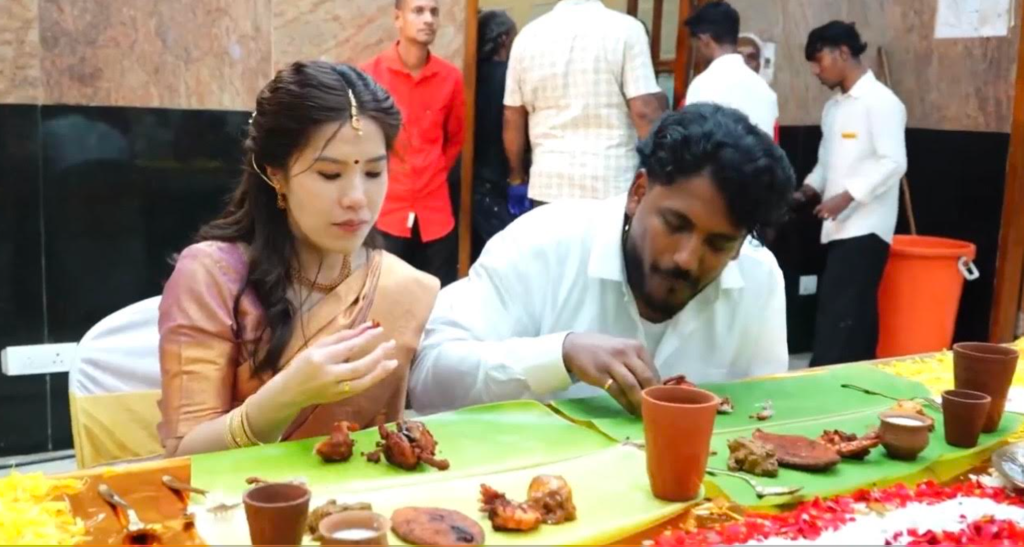
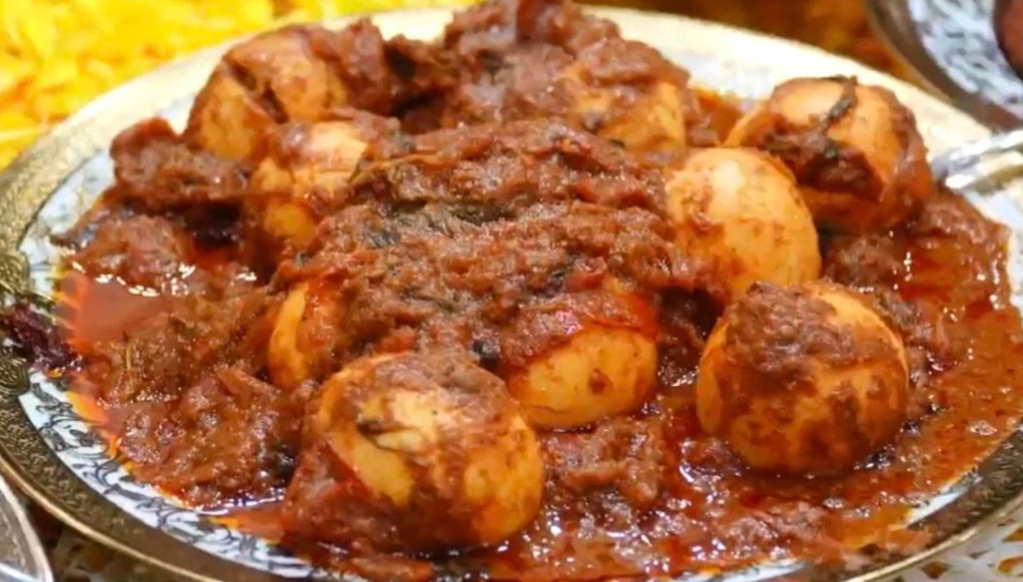
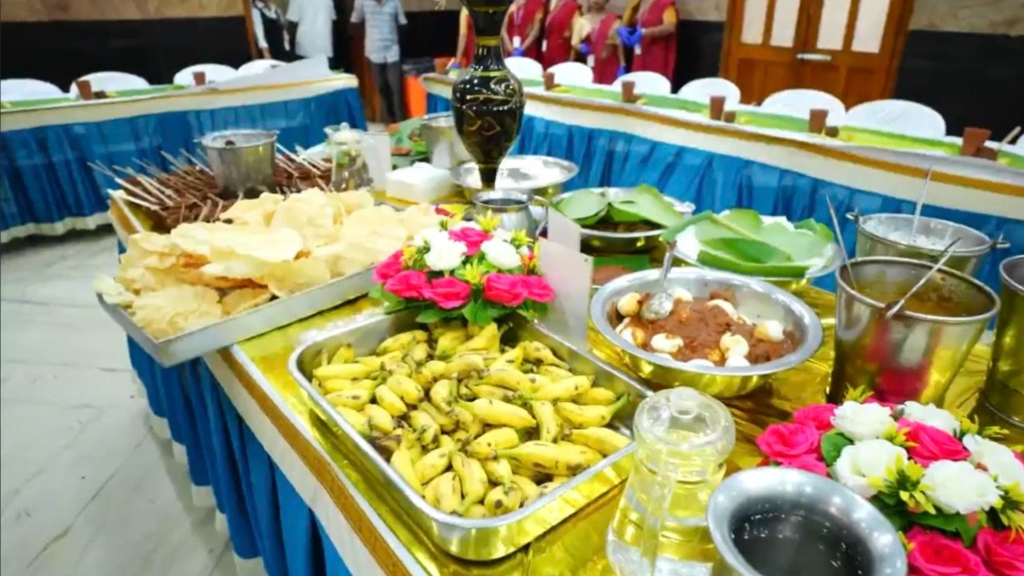
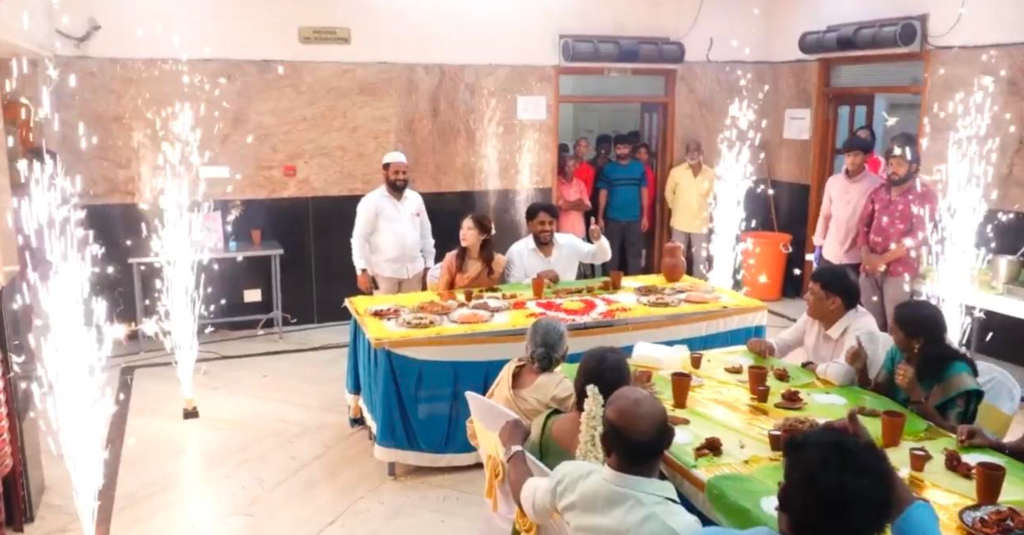
No celebration of Tamil culture would have been complete without a traditional Virundhu (விருந்து).
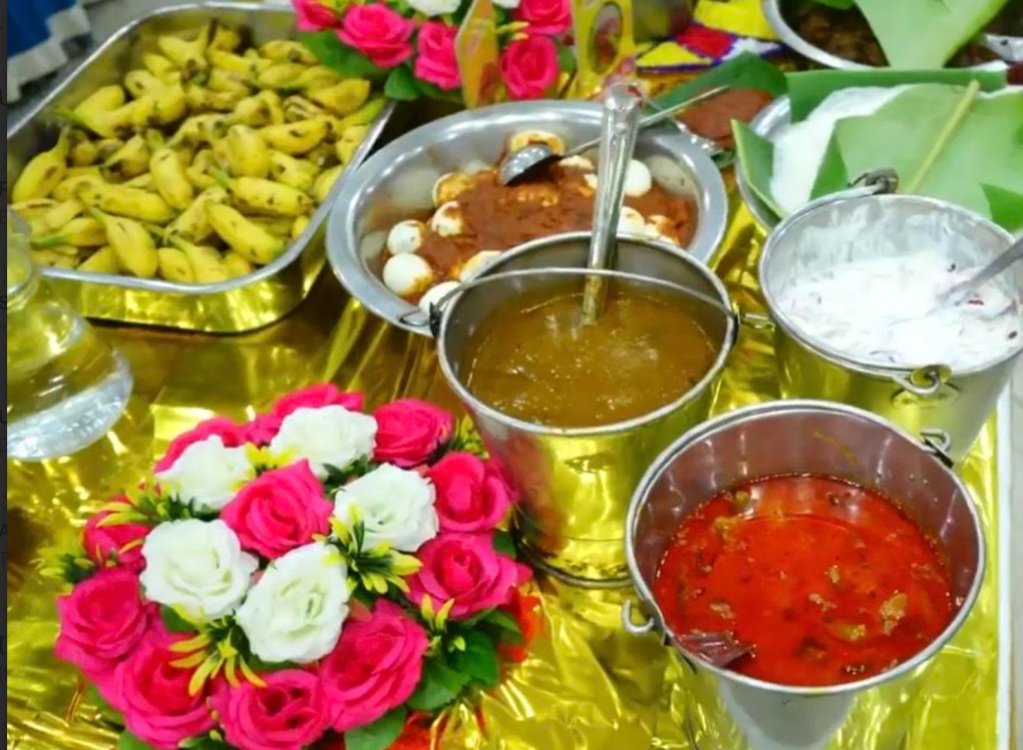
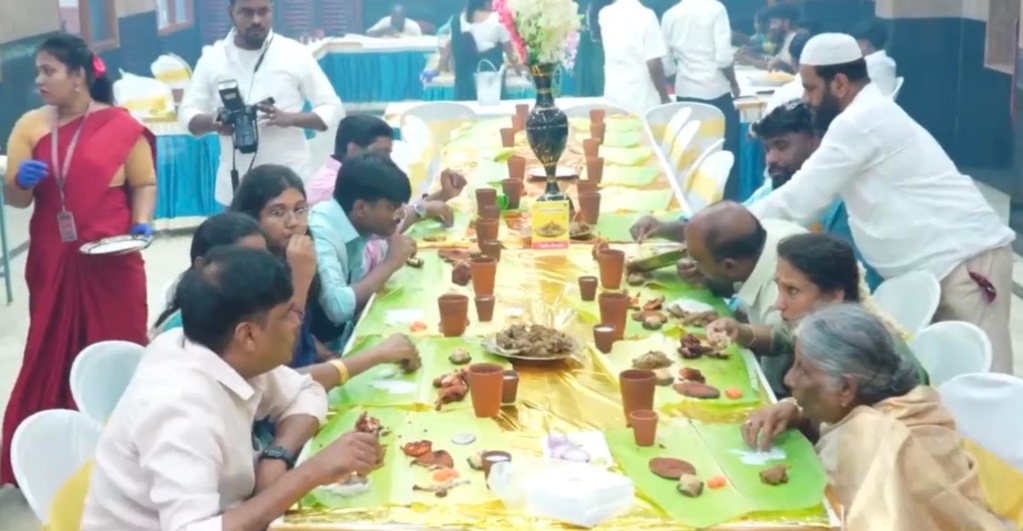
Our guests were served their meal on banana leaves, Vaazhai Ilai (வாழை இலை)… one of the most recognisable expressions of Tamil hospitality.
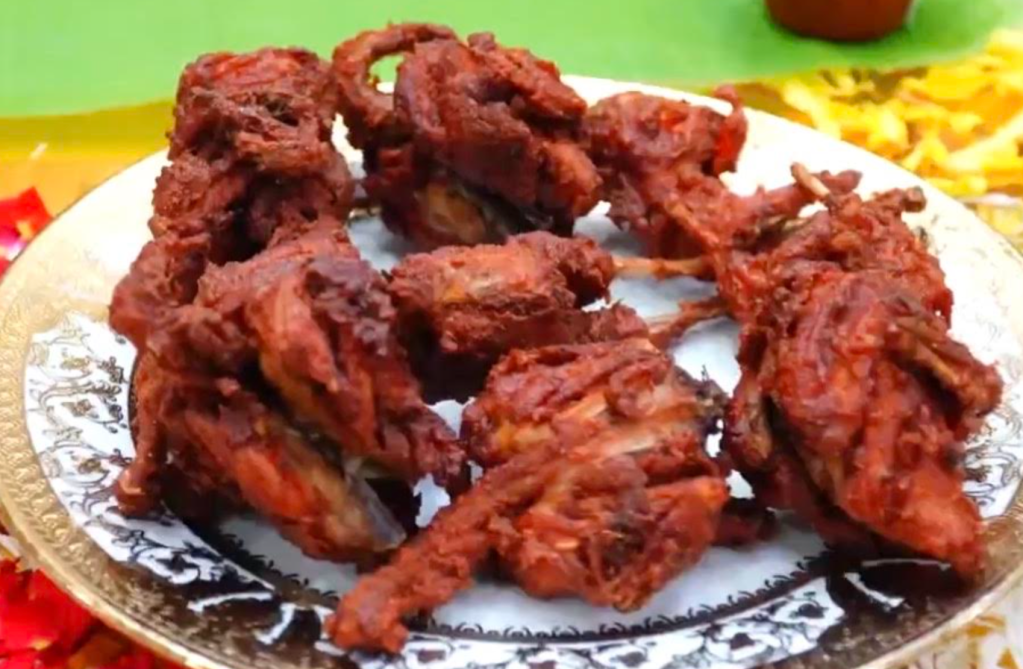
The feast brought together traditional vegetarian and non-vegetarian flavours, including Traditional Biryani ( பிரியாணி), Mutton Ezhumbu Soup (மட்டன் எலும்பு சூப்), Mutton Chops, Vanjaram Fish Fry (வஞ்சிரம் மீன் வறுவல்), Kathirikai (கத்திரிக்காய்), Aviyal (அவியல்), Kootu (கூட்டு), Rasam (ரசம்), curd, white rice, boiled egg, pickle and Appalam (அப்பளம்), together with other accompaniments.
The non-vegetarian dishes (from Zahoor Caterers) were intentionally included. We wanted the meal to feel like a generous Tamil family Virundhu, rather than simply another reception buffet.
There was also refreshing Nungu Paal (நுங்கு பால்) and the delicate sweetness of Elaneer Payasam (இளநீர் பாயாசம்).
The banana leaf, the aromas, the variety of dishes and the experience of sitting together to share a meal transformed the food itself into another expression of Tamil hospitality and fellowship.
A Little Piece of Tamil Nostalgia to Take Home
Finally, as our guests prepared to leave, we wanted the cultural journey to end with one last meaningful touch.
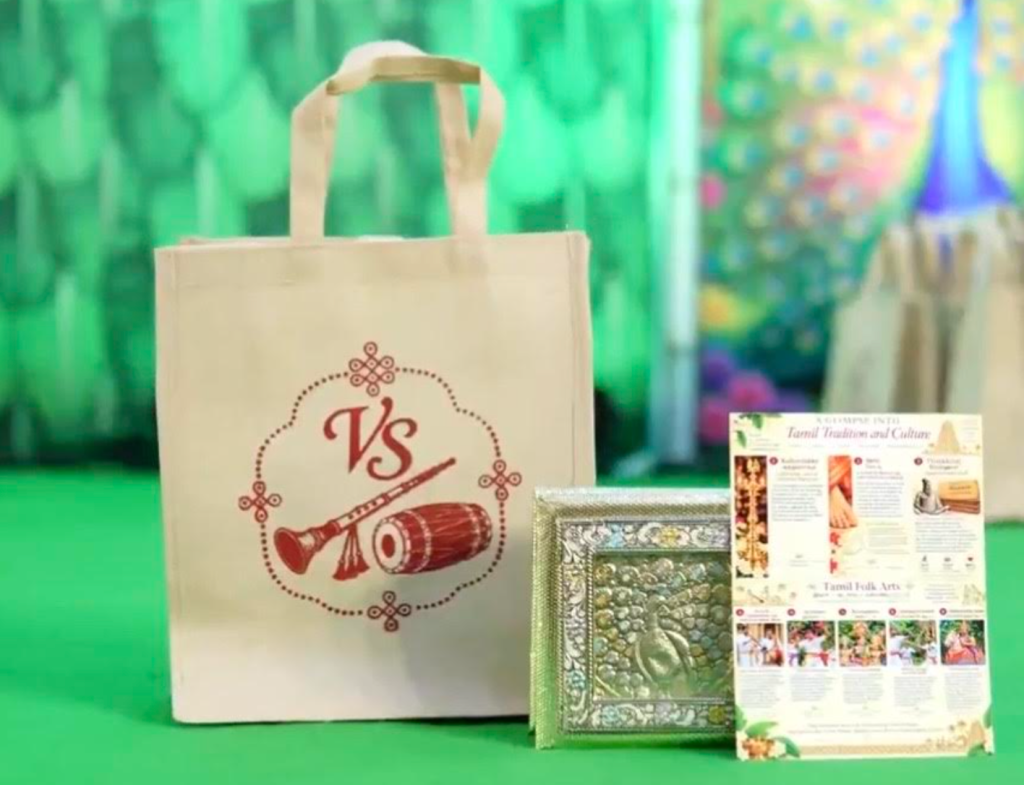
Our thank-you gift was a beautiful jewellery box decorated with a peacock (மயில்).
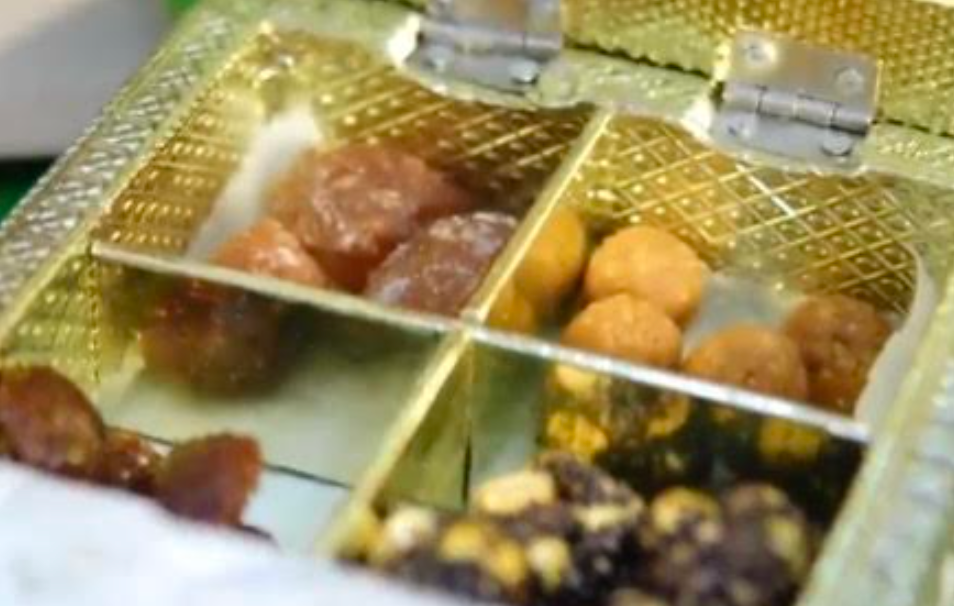
Inside were nostalgic traditional treats like Kammarcut (கம்மர்கட்டு), Then Mittai (தேன் மிட்டாய்) and Ellu Mittai (எள்ளு மிட்டாய்).
These were intentionally different from the Laddu and Athirasam used in our two-tier sweet arrangement. They were the simple little sweets that many of us associate with childhood, neighbourhood shops and memories of growing up.
After experiencing Tamil faith, wisdom, music, folk arts, traditional dress and food, our guests could leave with a little taste of Tamil nostalgia in their hands and, we hoped, a beautiful memory in their hearts.
A Final Note: Celebrating with Care for Creation
There was one more detail that was very important to us.
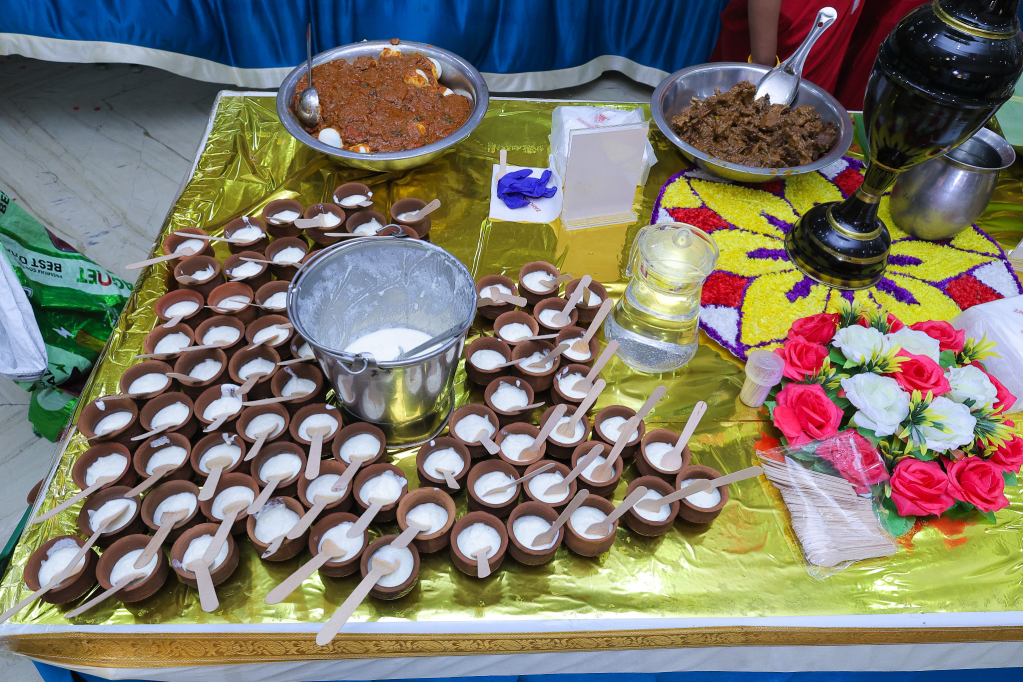
No plastic items were used for serving the food and drinks.
Water was served in traditional clay tumblers (மண் குவளைகள்). Similar earthenware cups were used for bone soup (எலும்பு சூப்), palm fruit milk (நுங்கு பால்) and tender coconut payasam (இளநீர் பாயாசம்).
Together with the meal served on banana leaves (வாழை இலை), these natural serving choices complemented the Tamil experience beautifully while helping us avoid disposable plastic.
It was a simple but intentional decision: celebrating our heritage (பாரம்பரியம்) while caring for God’s creation (இறைவனின் படைப்பு).
A Beautiful Journey Ahead
There was a deeper purpose behind all of this.
We were not trying to make Shannon “Tamil”.
Shannon brings into this marriage her own beautiful Malaysian Chinese heritage, her family story and the traditions that have shaped her. Vithush brings his Tamil heritage.
Marriage does not require one culture to disappear into another.
Instead, it gives two people an extraordinary opportunity to discover each other’s roots, honour them and decide together what they will carry forward into the family they are creating.
Perhaps that is why the celebrations in Penang and Chennai became so meaningful to us.
From the Thaali (தாலி) and fresh flower garlands (மாலை) in Penang, to the Tamil Thanksgiving Mass (நன்றித் திருப்பலி), joyful folk-art procession, Kuthuvilakku (குத்துவிளக்கு), Metti (மெட்டி), traditional attire, Thirukkural (திருக்குறள்), Thanjavur artists, traditional sweets and Vaazhai Ilai Virundhu (வாழை இலை விருந்து) in Chennai, every element told a little part of a much larger story.
A story of where we came from.
A story of what we treasure.
A story of faith, family and heritage.
And now, a story that belongs to Vithush and Shannon together.
If you prefer to listen in Thamizh rather than read in English, simply click the Play button below to enjoy the essence of the Chennai Wedding Gathering.


