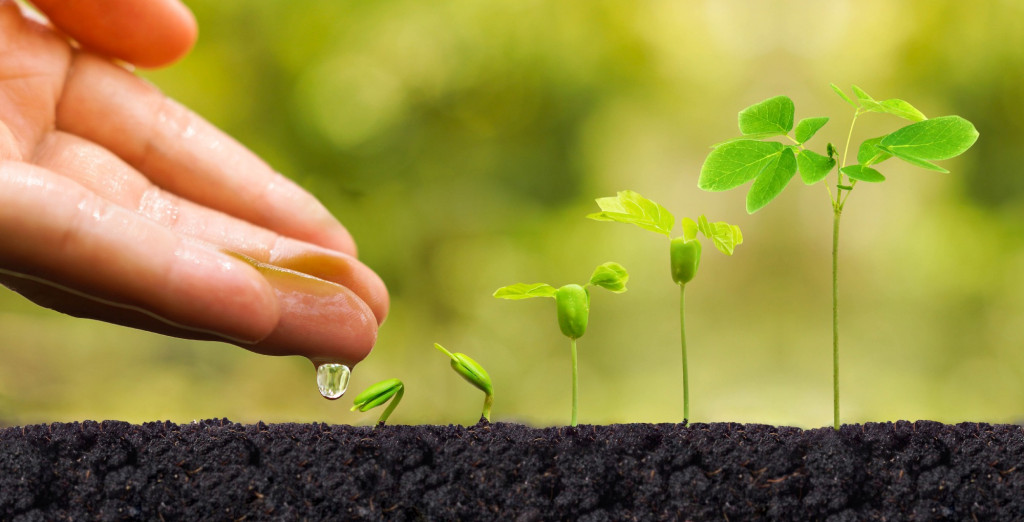
Schools around the world have been aspiring towards imparting holistic education to students but not all schools succeed in this endeavour. If students can gain subject knowledge, develop necessary academic, social and enterprise skills, build positive relationships and at the same time feel confident and safe in and around the school environment, then they are working towards the utilisation of their maximum potential.
Being an educator at St Luke’s has been a gratifying, enriching and empowering experience as the vision of the College is aligned to the goal of imparting holistic education to students.
Student-centred pedagogical practices supplemented with the six pillars and the well being processes have been some of our great strengths. Term 3 has shown the community the quest of St Luke’s to challenge the normal through its innovative timetabling initiative. We are beginning to see the combined effect of creative ideas, innovative actions, progressive processes and positive people.
If the leader of a school can identify the needs and respond effectively, the school ecosystem can be transformed into a nurturing one. When we were thinking if there were any more innovative ideas left for 2020, we were introduced to the pitch, ‘The Wellbeing Ecosystem’. A wonderful step towards the goal of imparting ‘holistic’ education!
Scientifically, an ecosystem is a geographic area where biotic and abiotic factors work together to form a sphere of life. In the ‘Wellbeing’ ecosystem proposal, the biotic factors like students, teachers, parents, coaches, leaders, community members, Allied Health professionals, TAs and support staff will be working together with the abiotic processes associated with Pastoral support, PBS4L, Pillars, Life Design and Diversity. In the scientific ecosystem, without the geographic area, the interactions are not possible. In the wellbeing ecosystem of a catholic school, the spiritual area plays a major role. Every obstacle in this ecosystem can be turned into an opportunity, if the interactions are strengthened by Christ and His teachings.
The desired outcome for each student to experience high levels of wellbeing has been carefully identified by our Principal as
-> A sense of belonging and connection
-> High levels of hope and engagement
-> Greater self awareness and
-> Resilience and empathy for others.
The scripture passages support this outcome in a natural way.
The key words in the outcome are ‘belonging’, ‘connection’, hope’, ‘self awareness’, ‘resilience’ and empathy. Here are some examples of how these words are linked to the spiritual source.
Belonging:
For in the one Spirit we were all baptized into one body—Jews or Greeks, slaves or free—and we were all made to drink of one Spirit. – 1 Corinthians 12:13
Connection:
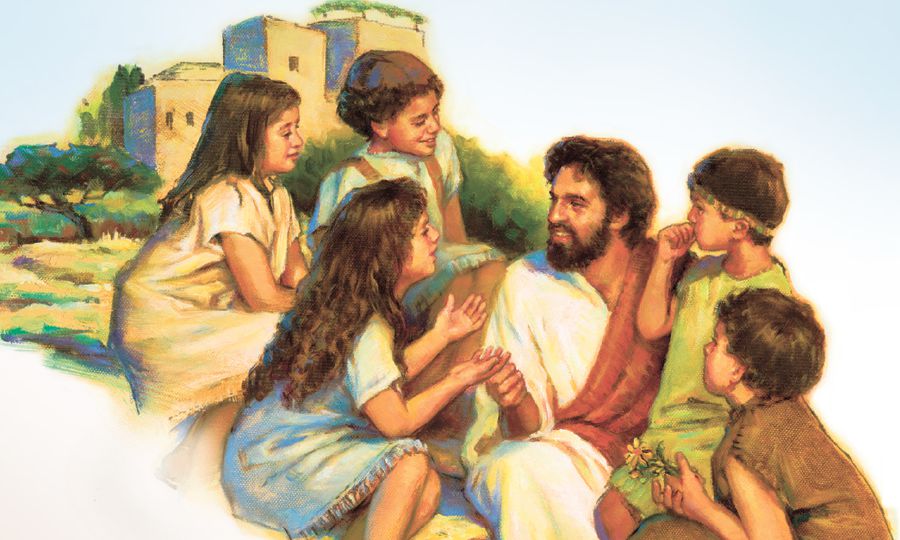
I am the vine, you are the branches. Those who abide in me and I in them bear much fruit, because apart from me you can do nothing. – John 15:5
Hope:
And your life will be brighter than the noonday; its darkness will be like the morning. And you will have confidence, because there is hope; you will be protected and take your rest in safety. You will lie down, and no one will make you afraid; many will entreat your favor. – Job 11: 17-19
Self-awareness:
You were taught to put away your former way of life, your old self, corrupt and deluded by its lusts, and to be renewed in the spirit of your minds, and to clothe yourselves with the new self, created according to the likeness of God in true righteousness and holiness. – Ephesians 4: 22-24
Resilience:
We are afflicted in every way, but not crushed; perplexed, but not driven to despair. – 2 Corinthians 4:8
Empathy:
Jesus began to weep. So the Jews said, “See how he loved him!” – John 11: 35-36
Rejoice with those who rejoice, weep with those who weep. – Romans 12: 15
In general, if the Greatest Commandant and the Beatitudes are unpacked wisely, our students can face all challenges gracefully and confidently.
The Catholic sacraments also play a vital role in enhancing the wellbeing aspect of the holistic development of students.
Through Baptism and Confirmation, students receive the gifts of the Holy Spirit and through these gifts they are equipped with the skills needed to face the real world.
According to Aquinas, the Holy Spirit’s gifts, ‘Wisdom’, ‘Knowledge’, ‘Counsel’, ‘Fortitude’, ‘Understanding’, ‘Piety’ and ‘Fear of the Lord’ are instincts provided by God as supernatural help to human beings in the process of their “perfection.” They assist them to overcome the challenges of human reason and participate purposefully in the life gifted by God.
The Sacrament ‘Eucharist- the Source and Summit’ serves as the spiritual food and the Sacrament, ‘Reconciliation’ is one of the best wellbeing tools.
Recently, a few students from Stage 3 were asked to share their understanding and application of their Term 3 Learning Cycle, ‘What does it mean for humans to think about their thinking?’. It was a touching moment to know that students were able to use in their real life, the scripture passages and virtues that they learnt in class. A student also shared how she was able to provide support to her parents by sharing the ‘Greatest Commandment’ at the right time.
How fortunate we are to know that the ‘Wellbeing Ecosystem’ in any Catholic School is nurtured by the spiritual source of Christ through the Scripture, Sacraments and the Catechism of the Catholic Church!


 Pause - Ponder - Progress