Driving straight ahead to follow the familiar route was a comfortable option, however, I took a right turn to be at my new workplace. This turn is proving to be the ‘right’ turn at this stage of my professional journey.
At the end of Week 5, I am glad about my decision. I feel fully charged. Is this new progressive educational centre, a ‘AAA’ battery that has the ability to charge both students and educators?
The college recognises that Learning = Infinite Possibilities. It invites everyone to aspire to become creative contributors and innovative problem solvers for a changing world. This aspiration is the foundation for the evolution of the growth mindset of our teachers and students.
We now know that the first ‘A’ of this AAA battery is ‘Aspiration’.
The college is an exciting and thriving preschool to post school learning community. It is not that easy to be a trendsetting learning centre. It is possible only with the right blend of faith, vision, creativity, hard work, smart work and an ever-willing openness to learn. The real world approach to learning, challenges students to reflect on who they are, what they can do and what problems they want to solve in this rapidly changing world. Teachers also face challenges.
What is the secret to facing challenges calmly and converting these into positive solutions? That is the second ‘A’ of the AAA battery… ‘Adaptation’.
The college provides the right support to educators and students and changes this educational habitat into a conducive one for better adaptation.
The next ‘A’ is the most important element of this battery. The ideas, plans and efforts should be converted to a purposeful action. The third ‘A’ of the AAA battery is ‘Action’.
The school’s Vision, Mission, the outcomes prescribed by NESA and the six Pillars of the College are incorporated in teaching programs to produce meaningful, engaging and enjoyable actions.
In Week 4, Australia celebrated the National Science Week and our college capitalised on this opportunity to help students celebrate Science. Students were given the choice to make decisions about their Science Week journey; they suggested ideas collaboratively.
The Science Week was officially inaugurated by the School of Leadership’s Learning Coach. The Assembly started with a prayer, Acknowledge of Country and introduction to the activities of the week.
Students recognised the contributions of Science and wrote a ‘Thank you’ letter which highlighted the different areas of their lives that were impacted by Science.
The theme of this year’s Science Week being ‘Destination Moon: more mission, more science’, students attended workshops to learn more about space from a catholic perspective and an aboriginal perspective. They were pleased to know that the Aboriginal astronomers were the first people to share information about Space. Students also read the message that was sent by Pope Paul VI to the first batch of astronauts who landed on the Moon in 1969.
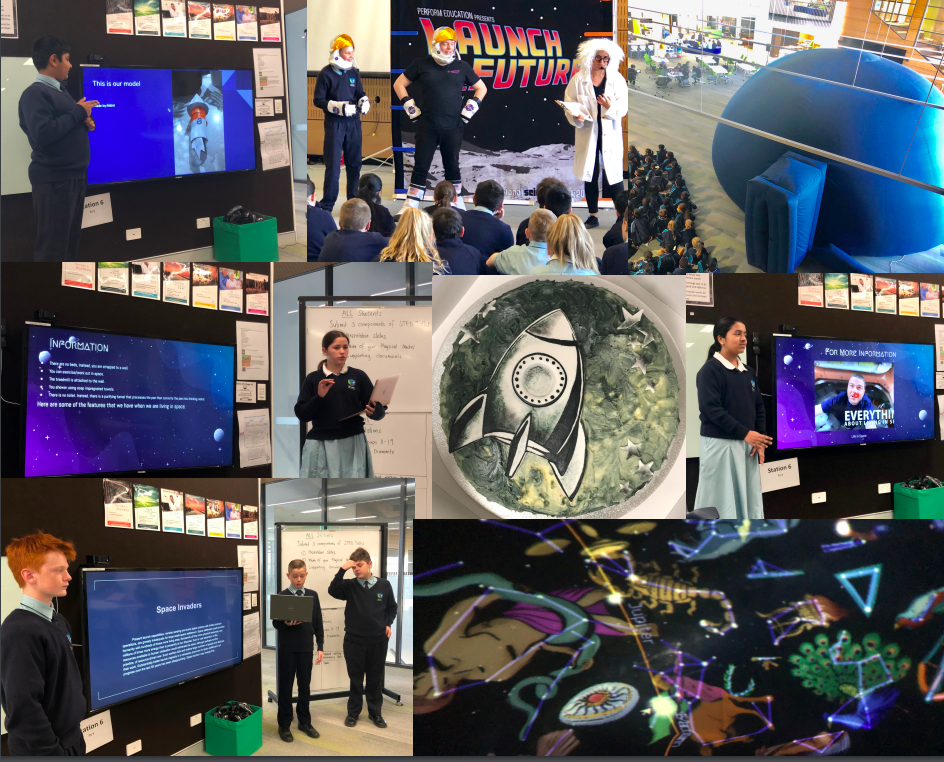
Students explored space-related topics like Life in Space, Lunar Colony, Cosmic Waste, Space Station, Space Walk, Space Invaders, Space Tourism and Moon Missions like NASA’s Apollo, ISRO’s Chandrayaan, Lavochkin’s Luna and JAXA’s SELENE. Their ideas were presented to their peers in the format of TED Talks. The name was changed to STED Talks as ‘Science’ was added to Technology, Entertainment and Design.
Students from K to 8 were exposed to the boundless outer space within the boundaries of the school hub and this was made possible by the visit of Starr’s Planetarium.
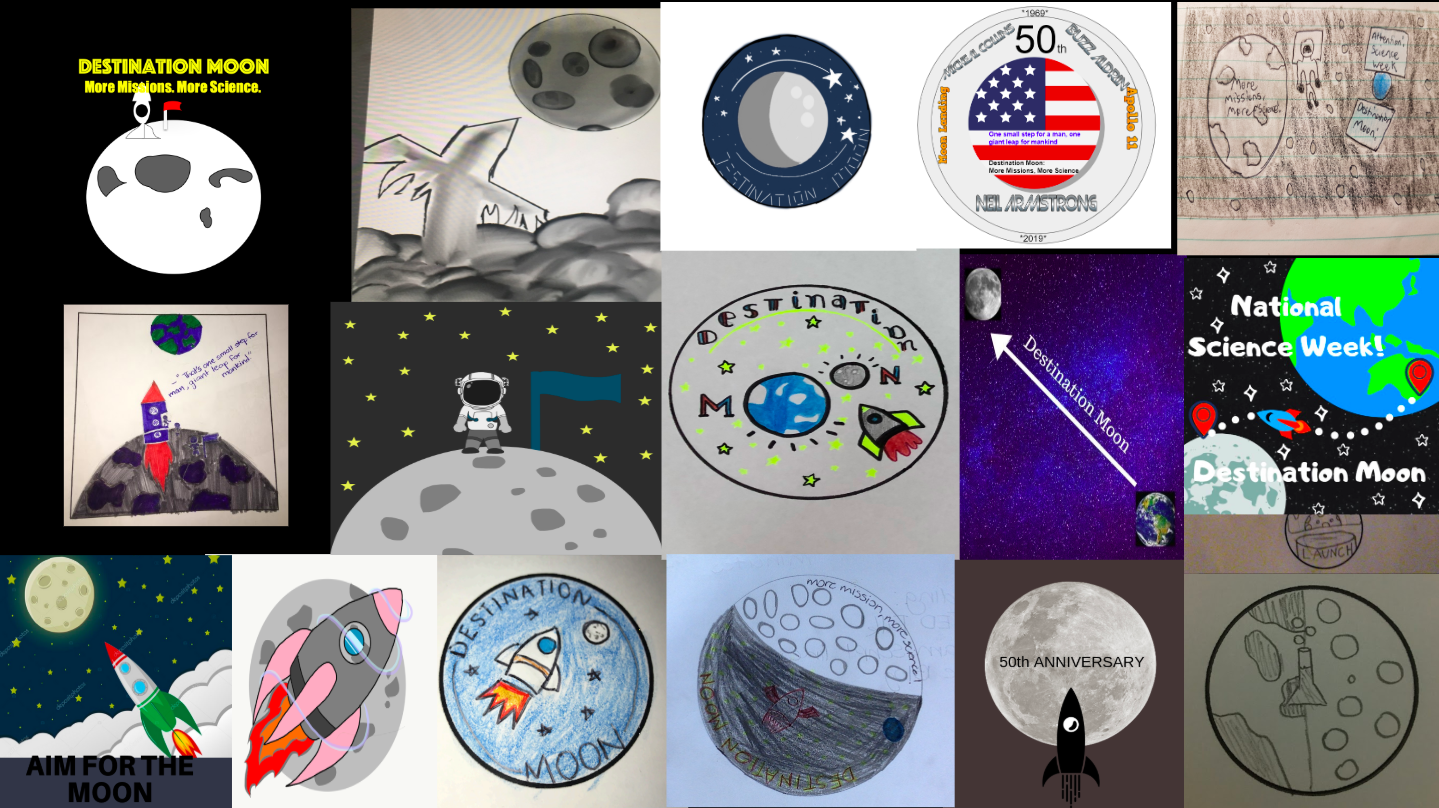
A logo design activity was organised and students designed their creative Science Week logos.
A prayer for scientists was included in the Mass celebrated on the occasion of the Feast of Mother Mary’s Assumption.
A special ‘Destination Moon’ cake was designed and made by one of the parents and it was shared in the Staff Morning Tea.
The valedictory event was a science comedy show, presented by the enthusiastic duo from ‘Launch to the Future’.
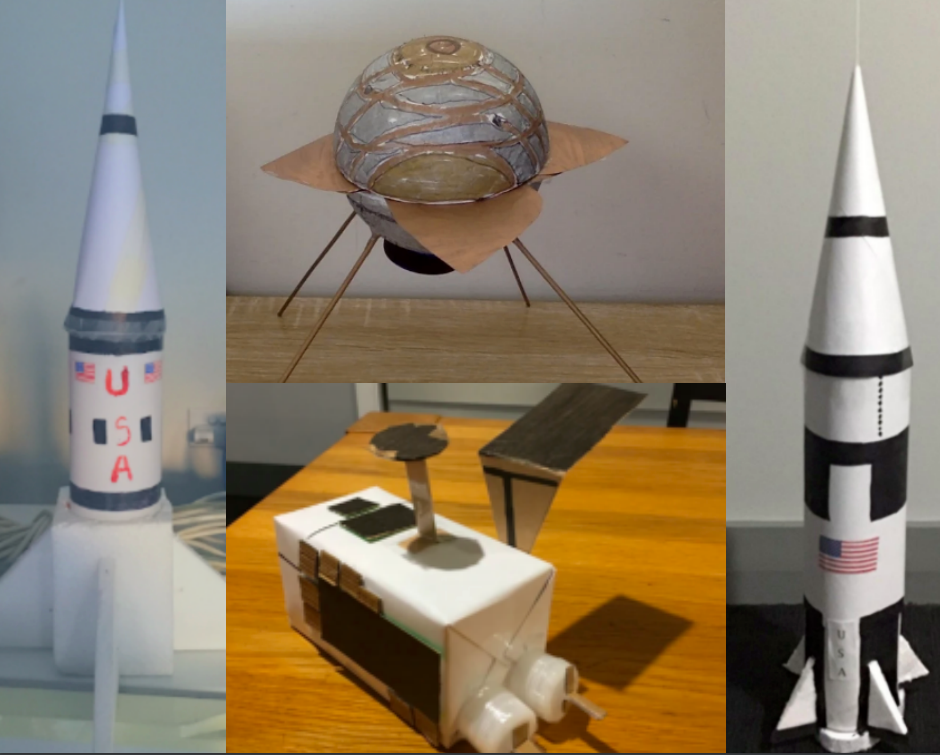
This Science Week ‘Action’ had the ‘Pillars’ embedded in it. These ‘Pillars’ are a reflection of NESA’s seven general capabilities. Students applied their literacy skills to write their report, numeracy skills to prepare their physical model, ICT skills to prepare their presentation and logo, Intercultural understanding while evaluating the contributions of different countries in the area of space research, ethical understanding when discussing about space debris and cosmic war on waste and critical and creative thinking while preparing for their STED Talks. Overall, the ‘Action’ helped students assess their personal and social capability.
The college has taken the ‘right’ turn to provide each student with inquiry experiences which are relevant to their real world. The learning experiences are progressively self-directed and increasingly personalised, preparing students to be responsible global citizens.
I’m proud to be an educator at St Luke’s Catholic College, Marsden Park.
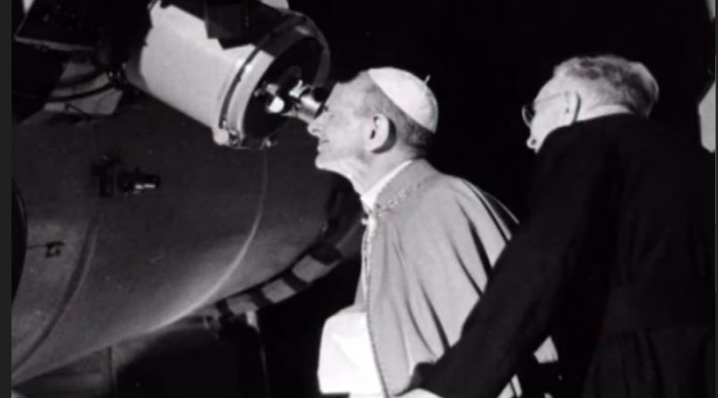
Pope Paul VI peeked through the Vatican’s large telescope. He got a chance to see the lunar area where Apollo 11 landed in 1969; he hand-wrote a message that was left on the moon along with a Vatican flag.

 Pause - Ponder - Progress